Making your own glue at home is a fun and practical DIY project. Whether you need glue for crafts, school projects, or household repairs, homemade glue is a cost-effective and non-toxic alternative to store-bought options. In this guide, we’ll show you how to make different types of glue using common ingredients.
Why Make Your Own Glue?
Non-toxic: Safe for kids and pets.
Budget-friendly: Uses inexpensive household ingredients.
Eco-friendly: Reduces plastic waste from store-bought glue bottles.
Customizable: You can adjust the consistency and strength based on your needs.
Ingredients You’ll Need
Basic White Glue
- 1/2 cup water
- 1/2 cup flour
- 1/4 teaspoon salt
Strong Glue (Cornstarch-Based)
- 3/4 cup water
- 1 tablespoon white vinegar
- 1/4 cup cornstarch
- 2 tablespoons corn syrup
Waterproof Glue (Milk-Based)
- 3 tablespoons of heated skim milk
- Sprinkle 2 packets of unflavored gelatin
- 2 tablespoon water
Step-by-Step Instructions
1.) How to Make Basic White Glue

In a saucepan, mix 1/2 cup water, 1/2 cup flour, and 1/4 teaspoon salt until smooth.
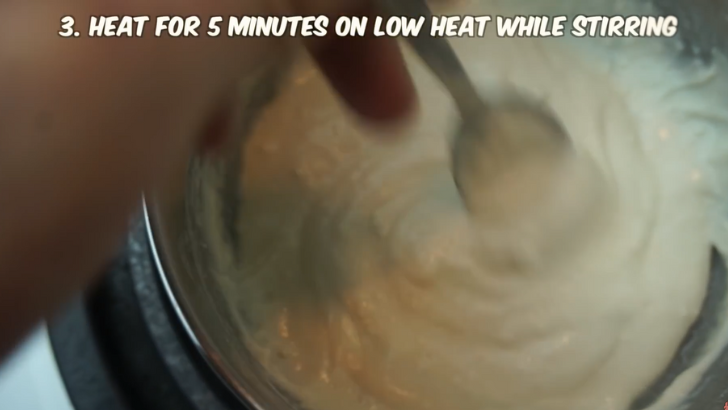
Cook over low heat, stirring constantly until thickened.
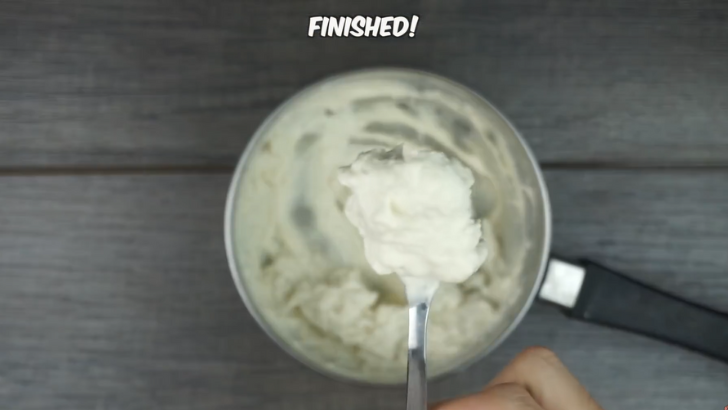
Remove from heat and let it cool before using.
Store in an airtight container.
2.) How to Make Strong Glue (Cornstarch-Based)
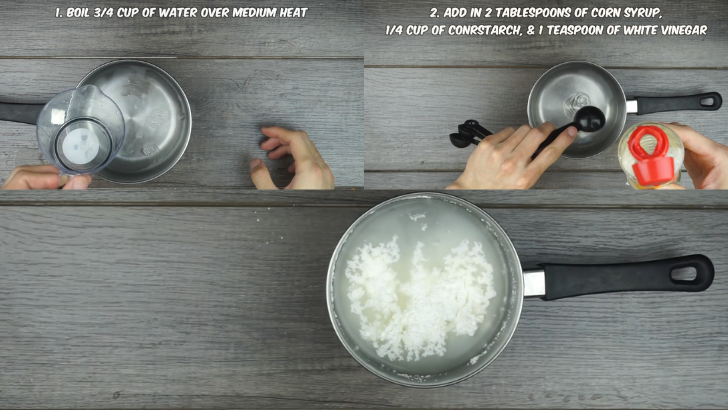
In a saucepan, take 3/4 cup of boiling water over medium heat and add 2 tablespoons of corn syrup. Also, add 1/4 cup of cornstarch and 1 tablespoon of white vinegar.
Mix everything well until the texture becomes thick.
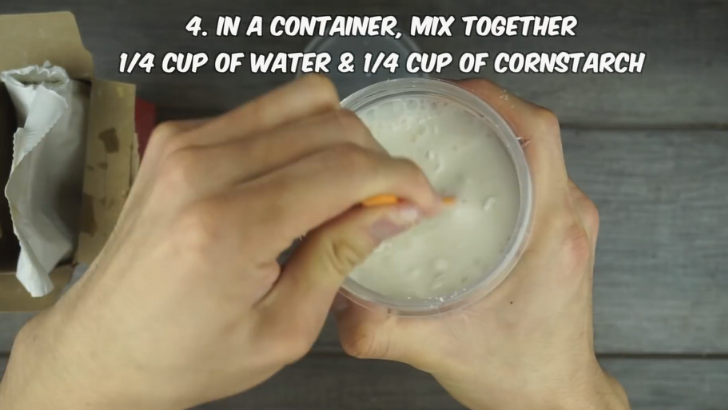
In a separate container, mix together 1/4 cup of water and 1/4 cup of cornstarch.
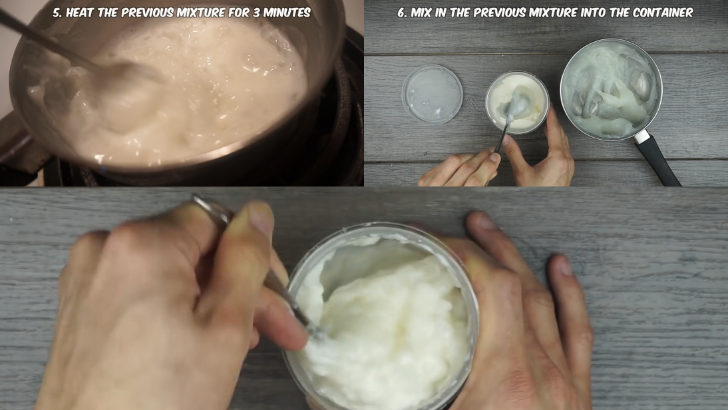
Heat the previous mixture for 3 minutes, then mix it into the container.
Once cooled, you can store it in a container.
3.) How to Make Waterproof Glue (Milk-Based)
Add 2 tablespoons of water to a bowl.
Now, sprinkle 2 packets of unflavored gelatin into the bowl and let it sit for an hour.
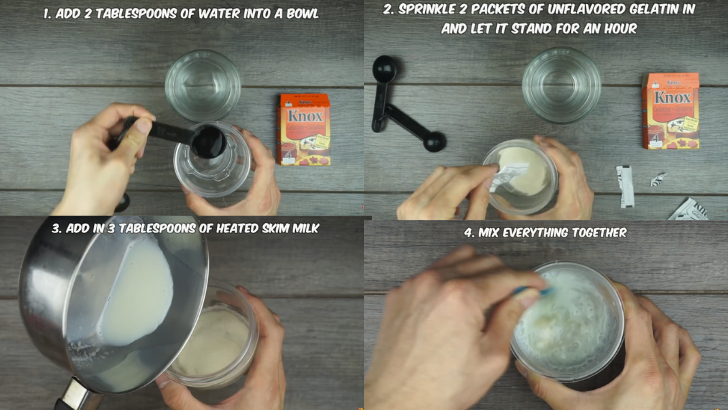
Next, add 3 tablespoons of heated skim milk to the mixture and mix well.
Your waterproof glue is now ready!
Store in an airtight container.
Tips for Using Homemade Glue
Store your glue in an airtight container to keep it fresh.
If the glue thickens, add a little warm water to restore consistency.
Use a brush or spatula to apply glue evenly.
Allow the glue to dry completely for strong adhesion.
Final Thoughts
Making glue at home is a simple and rewarding project that allows you to create a non-toxic, eco-friendly adhesive using everyday ingredients. Try these recipes and enjoy crafting with homemade glue!