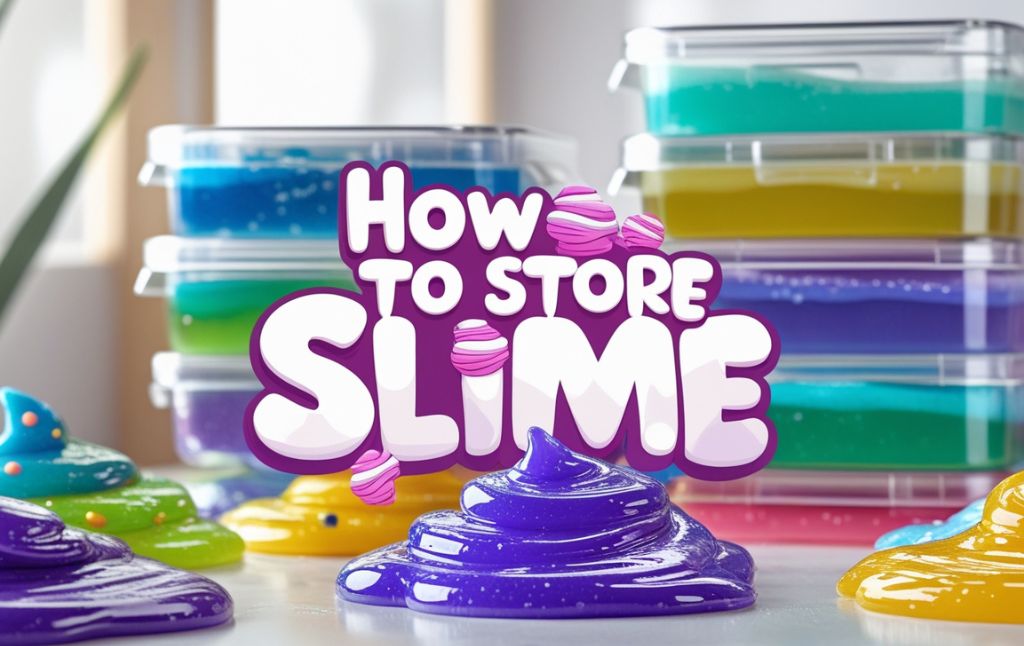
Slime is a fun and satisfying sensory toy, but it can dry out or become too sticky if not stored properly.
To keep your slime fresh, soft, and stretchy for longer, you need the right storage techniques. In this guide, we’ll show you how to store slime correctly and maintain its best texture.
Why Proper Slime Storage is Important
Prevents Drying Out: Slime can lose moisture over time if left exposed to air.
Maintains Stretchiness: Proper storage helps retain its softness and flexibility.
Avoids Stickiness or Hardening: The right conditions prevent slime from becoming too sticky or stiff.
Keeps it Clean: Storing slime correctly reduces dirt, dust, and bacteria buildup.
Best Ways to Store Slime
1.) Use an Airtight Container
Store slime in an airtight plastic container or resealable plastic bag.
Containers with a tight-sealing lid work best to keep air out.
2.) Keep it in a Cool Place
Store slime at room temperature or in a slightly cool area.
Avoid direct sunlight, as heat can melt or change the slime’s consistency.
3.) Add a Moisture Booster
If slime starts to dry out, add a few drops of water or lotion and knead it back to softness.
For certain types of slime, a drop of baby oil can help restore stretchiness.
4.) Store Each Slime Separately
Do not mix different types of slime, as textures and colors may change.
Keep scented slimes in separate containers to avoid mixing fragrances.
5.) Clean Hands and Surfaces Before Use
Always wash your hands before playing with slime to prevent dirt buildup.
Store slime on a clean, non-porous surface to keep it free from dust and lint.
How to Revive Old or Dried Slime
For Dry Slime: Add a small amount of warm water or lotion and knead until smooth.
For Sticky Slime: Mix in a tiny amount of activator (borax solution, contact lens solution, or baking soda and saline mix) to restore firmness.
For Hard Slime: Warm it slightly in your hands or microwave for a few seconds (if safe for that slime type).
How Long Does Slime Last?
With proper storage, slime can last weeks or even months.
Certain types, like butter or fluffy slime, may dry out faster but can often be revived with lotion or water.
Discard slime if it develops a bad odor, mold, or excessive dirt buildup.
Final Thoughts
Proper storage is key to keeping slime soft, stretchy, and fun to play with. By using airtight containers, maintaining the right moisture levels, and keeping it clean, you can enjoy your slime for a long time. Try these tips and ensure your slime stays fresh and ready for play!