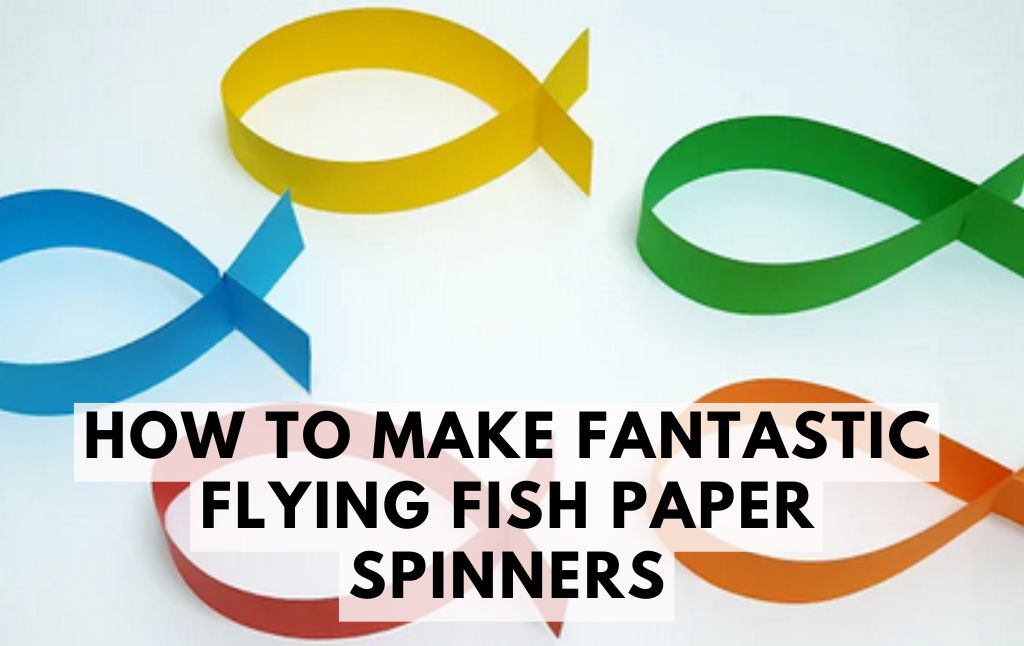
Looking for a fun and budget-friendly DIY project that gets kids excited about crafting and science? Flying Fish Paper Spinners are the perfect activity!
These simple, colorful spinners twirl through the air as they fall, creating a mesmerizing effect. Plus, they are incredibly easy to make using just a few household materials.
Materials Needed
- Colored cardstock or scrapbooking paper
- Scissors
- Crayons or markers (for decoration)
- Pen (optional)
Step-by-Step Instructions
Step 1: Cut the Paper Strips
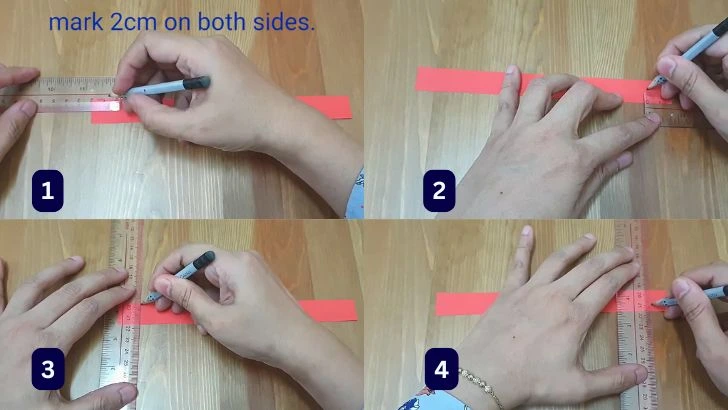
Take a piece of cardstock and cut it into long strips about 2 cm wide. The length can vary, but longer strips will create larger spinners.
Near both ends of each strip, make a small line on opposite sides. These will be used to slot the paper together.
Step 2: Snip and Slot the Paper
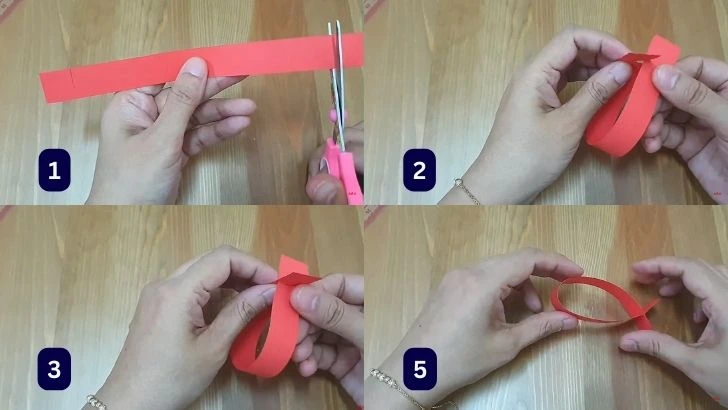
Using scissors, carefully snip along the marked lines—but do not cut all the way across.
Gently bend the paper and slide the cut ends into each other to form a loop at one end.
Adjust the crossing pieces so they hold together without glue or tape.
Step 3: Decorate Your Spinner
Use crayons, markers, or colored pencils to add fun designs to your flying fish.
You can get creative with patterns, shapes, or even draw eyes and fins to make them look like real fish!
Step 4: Test Your Spinner!
Hold your Flying Fish Paper Spinner high above your head (or stand on a deck or balcony).
Drop it and watch it spin as it falls!
Try making different sizes and shapes to see how they move differently.
The Science Behind It
Flying Fish Paper Spinners introduce kids to basic aerodynamics. When dropped, air resistance interacts with the shape of the spinner, causing it to rotate as it falls.
This creates an exciting visual effect, similar to how helicopter blades work. Want to make it a science experiment? Try making fish of different lengths and widths, and predict which ones will spin faster or slower!
Fun Variations & Activities
Race Your Spinners: Have a friendly competition to see whose spinner stays in the air the longest.
Create a Mobile: Attach a thread to the top of each spinner and hang them from a coat hanger to make a fun decoration.
Outdoor Play: Take them outside on a breezy day and see how the wind affects their movement.
Final Thoughts
Flying Fish Paper Spinners are an engaging and inexpensive way to get kids crafting and experimenting. With just a few materials, they can create something magical that teaches them about physics while they play. Try making a batch today and let the fun begin!
Happy crafting! 🎨✂️