Summer break is a season of freedom no alarm clocks, no homework, and no school bells telling kids where to be and when.
But that freedom can also mean bedtime creeps later every night, screens take over the day, and healthy routines quietly disappear.
That’s where a Summer Habit Tracker comes in. It’s a simple, printable tool that helps kids (and honestly, parents too) turn good intentions into daily habits, all while keeping things playful and low pressure.
If you’ve just downloaded the Summer Habit Tracker printable, here’s a complete guide to understanding what it offers and, more importantly, how to actually put it to work with your kids this summer.
What Is a Summer Habit Tracker?
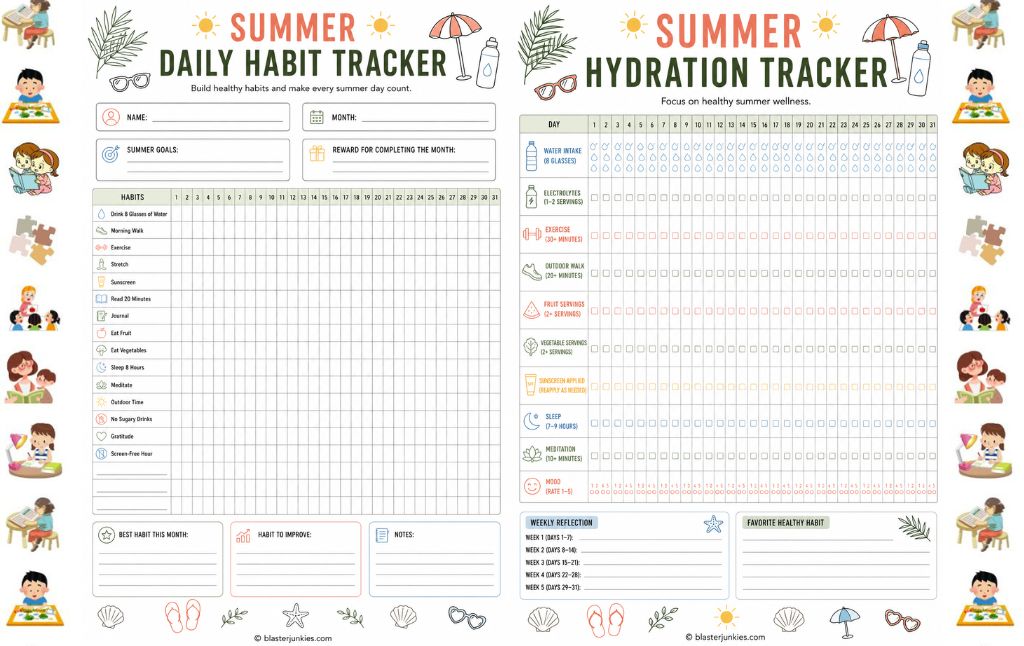
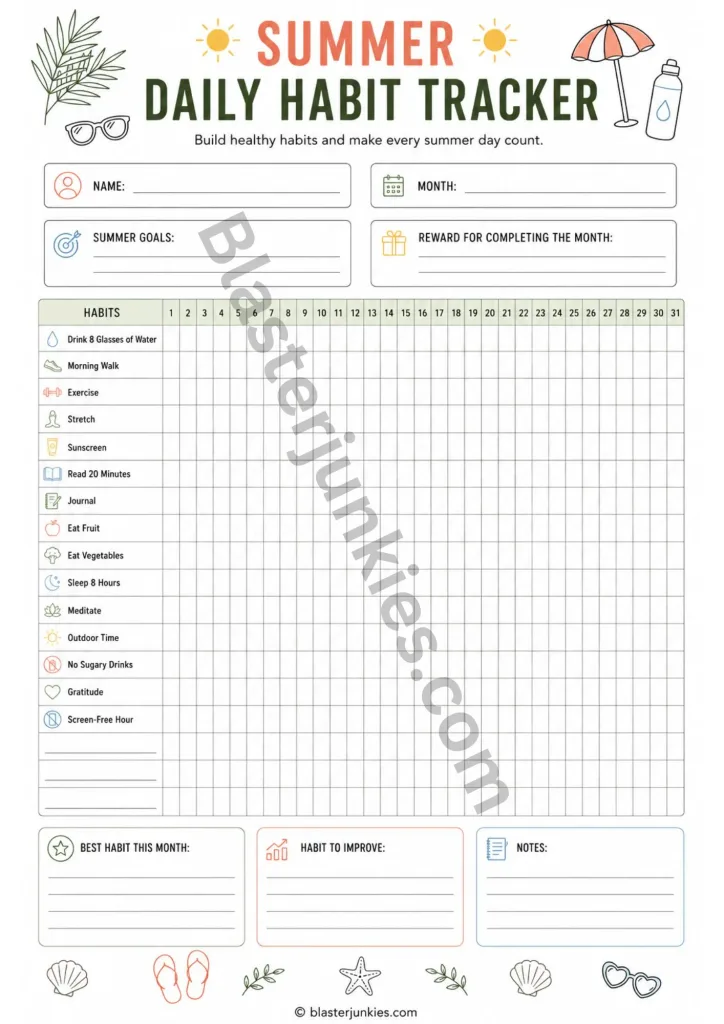
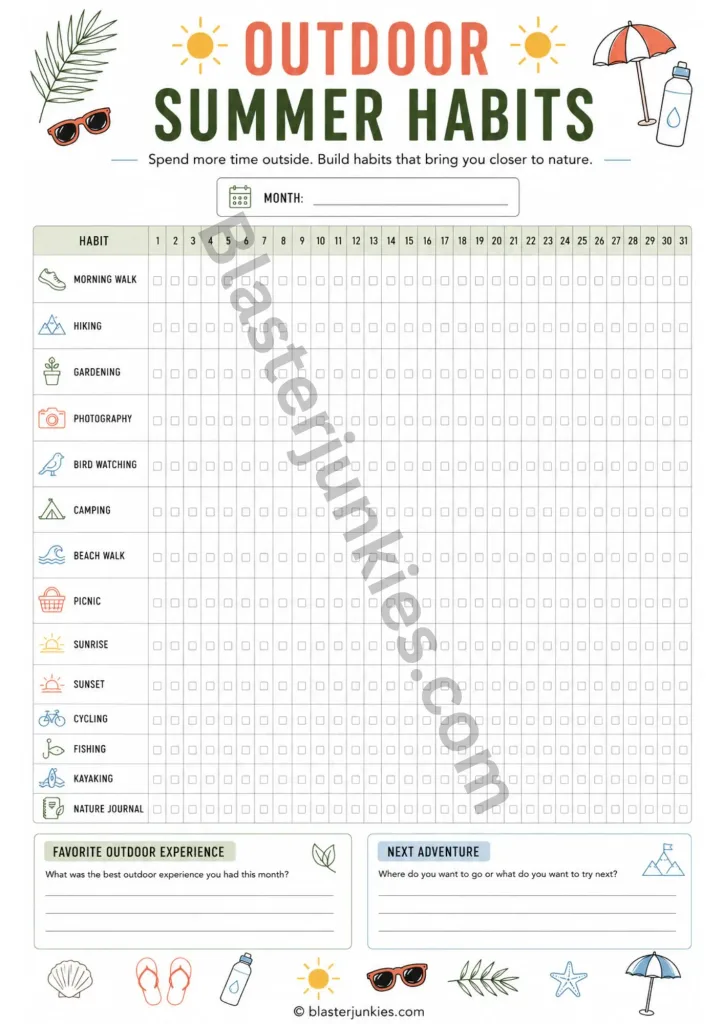
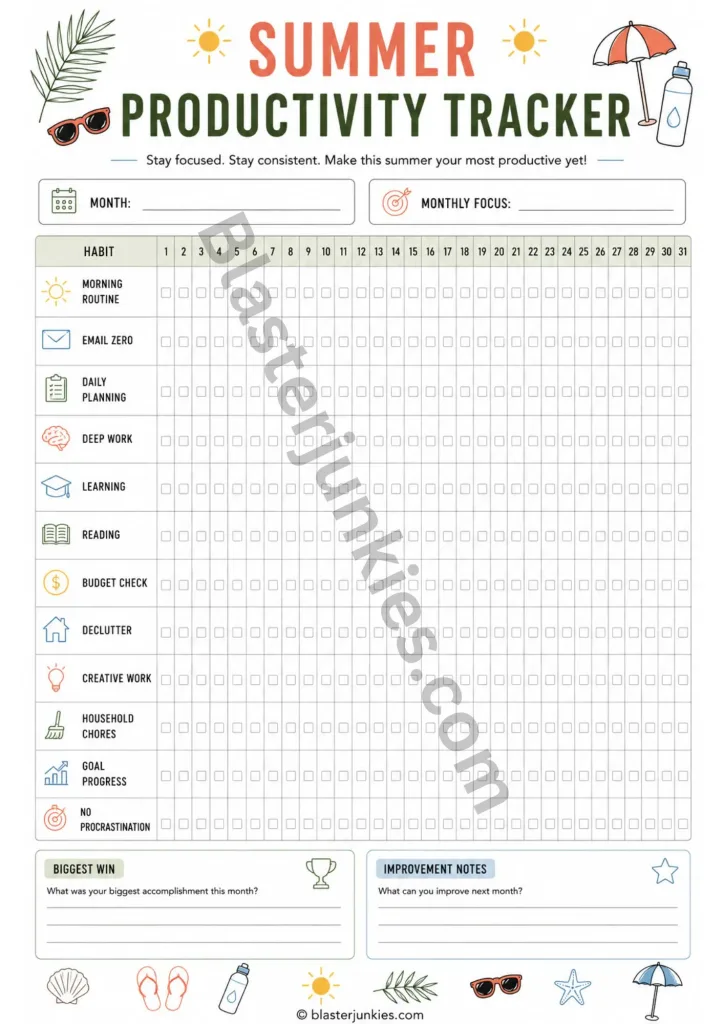
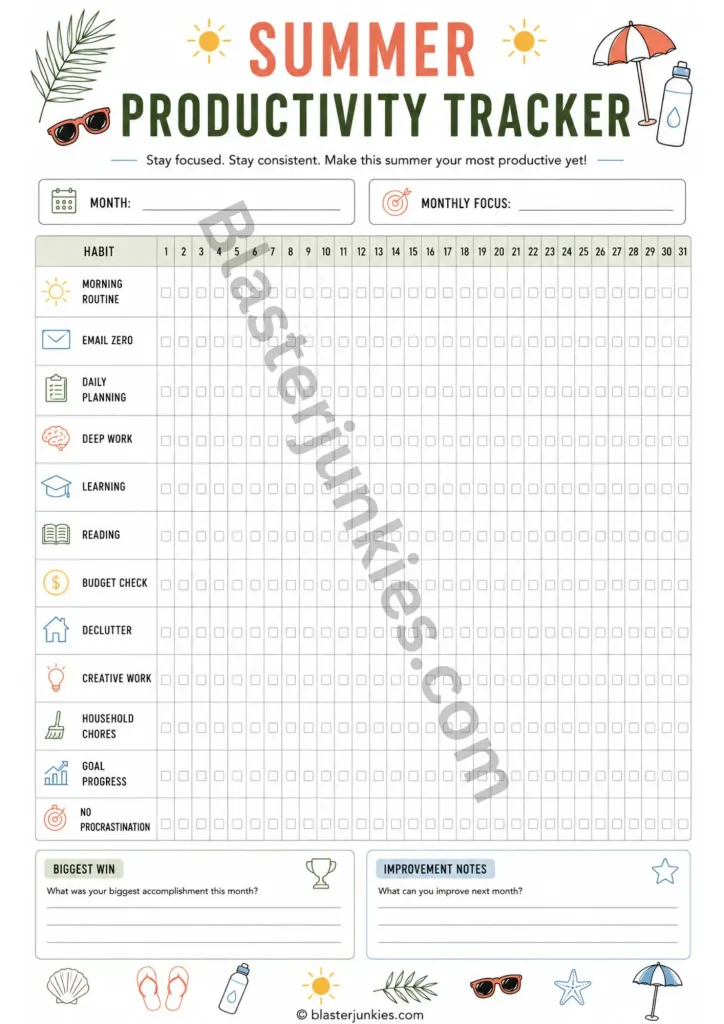
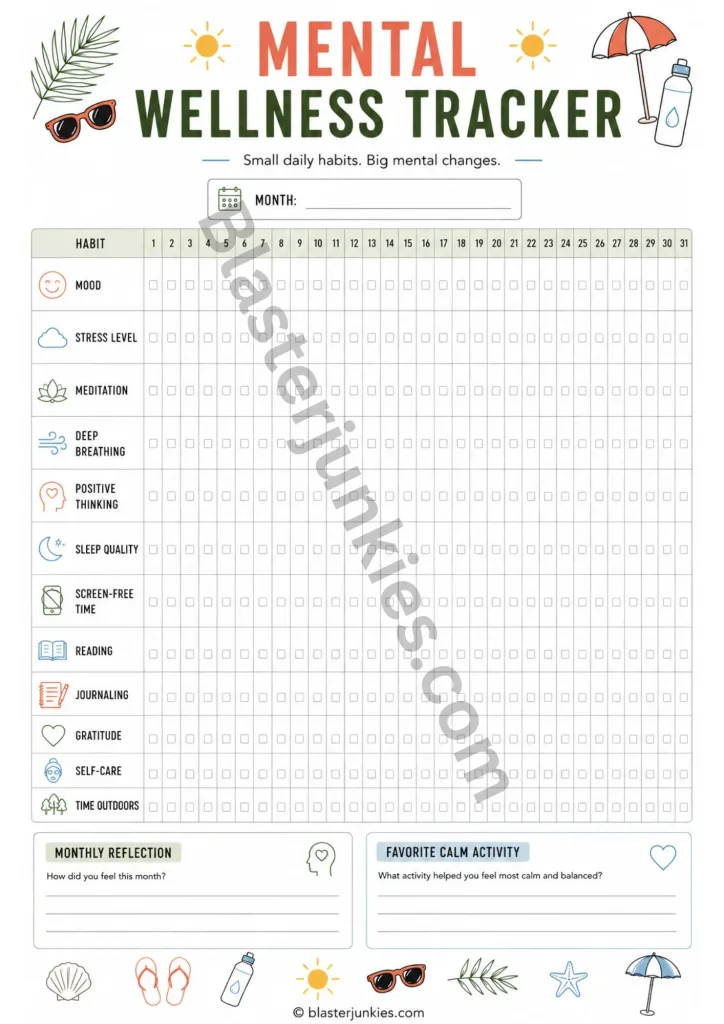
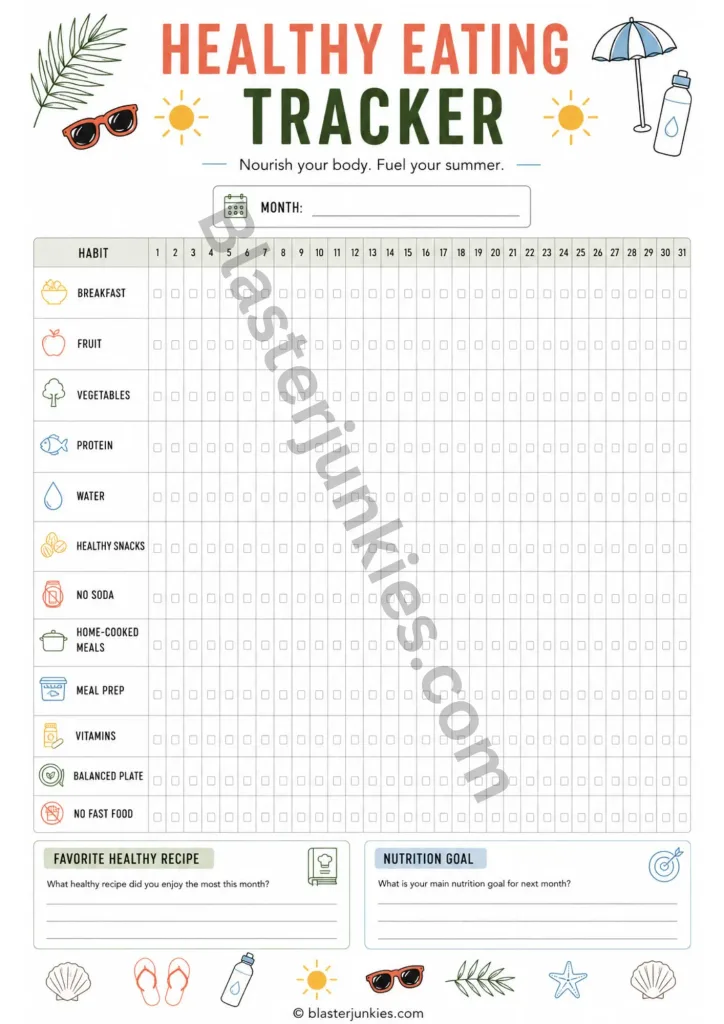
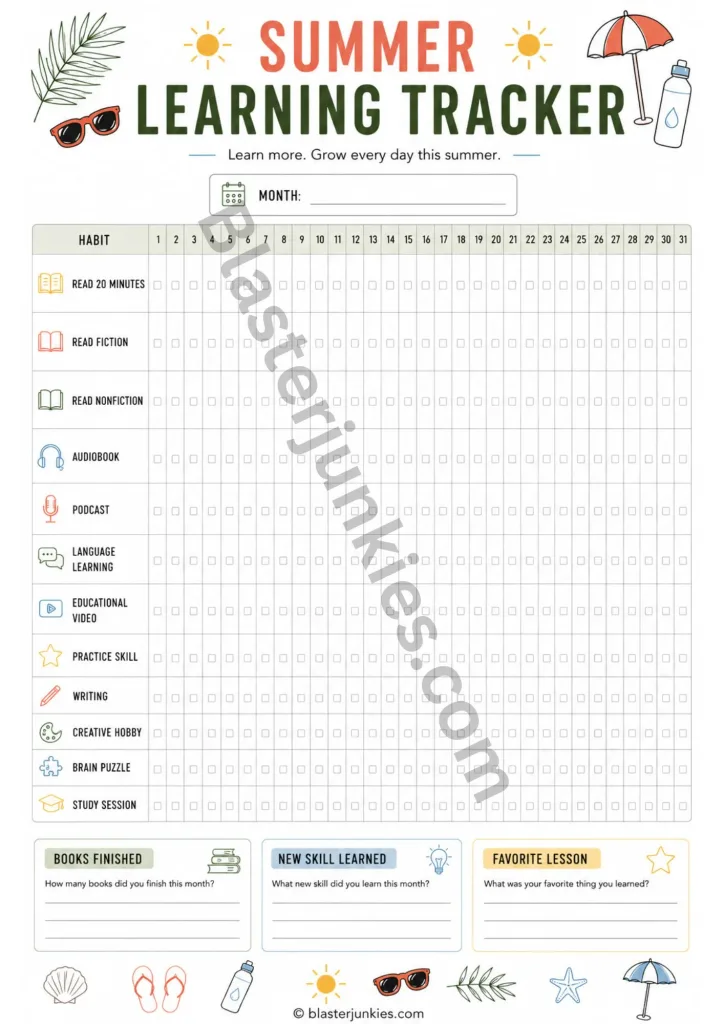
At its core, a habit tracker is a visual chart that lets you check off a task every day for a set period usually a month.
Instead of relying on memory or nagging, kids get a satisfying, visible record of what they’ve accomplished.
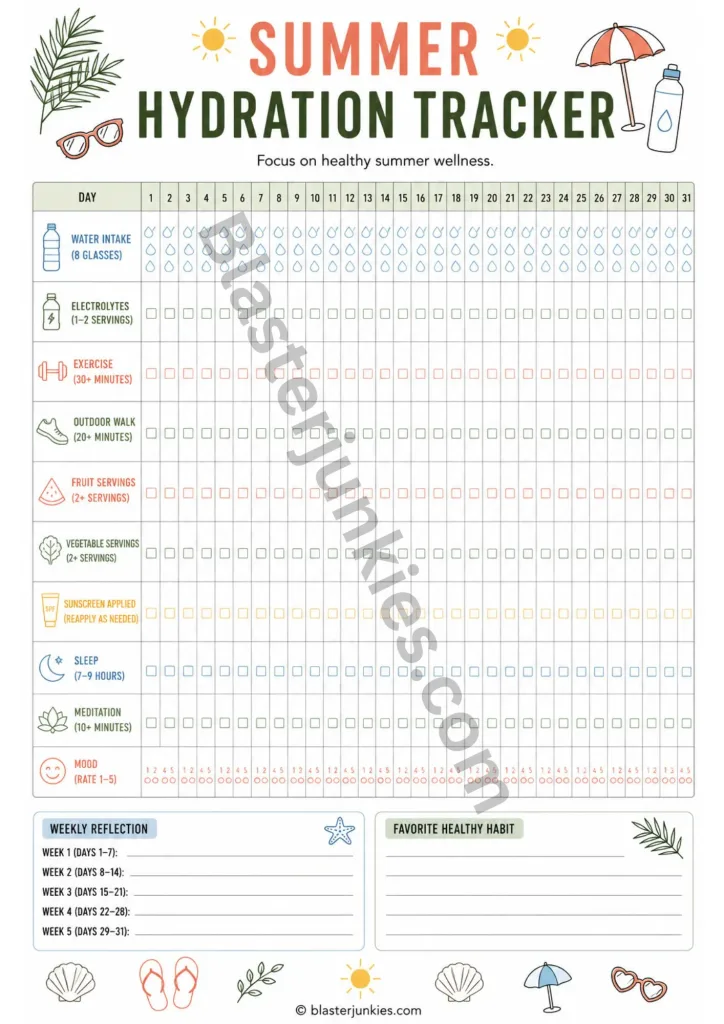
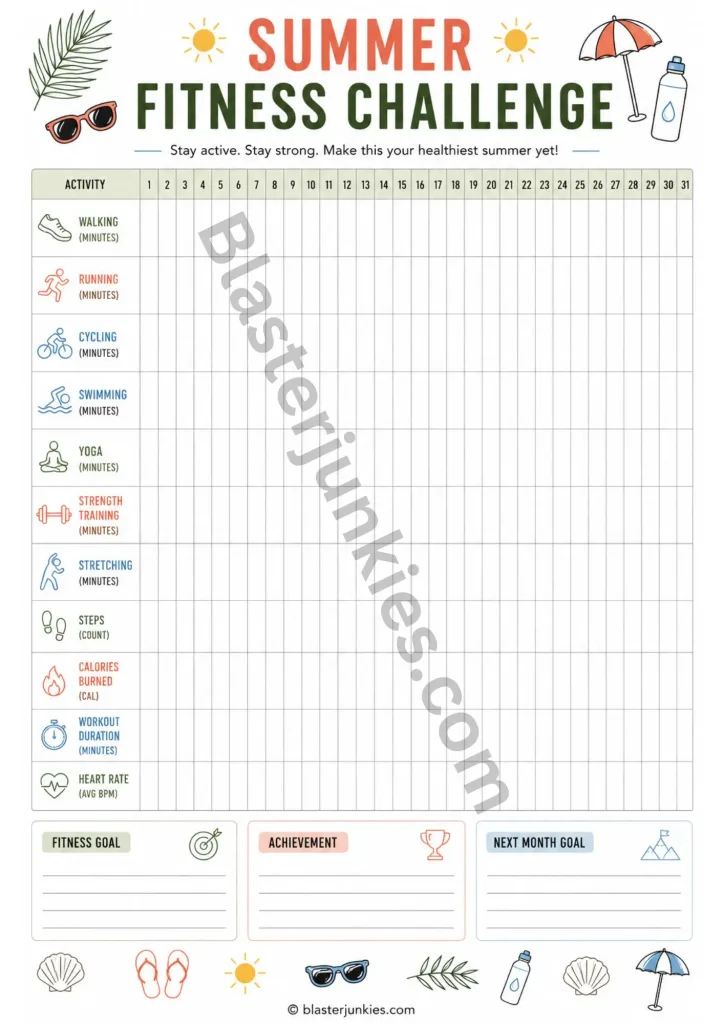
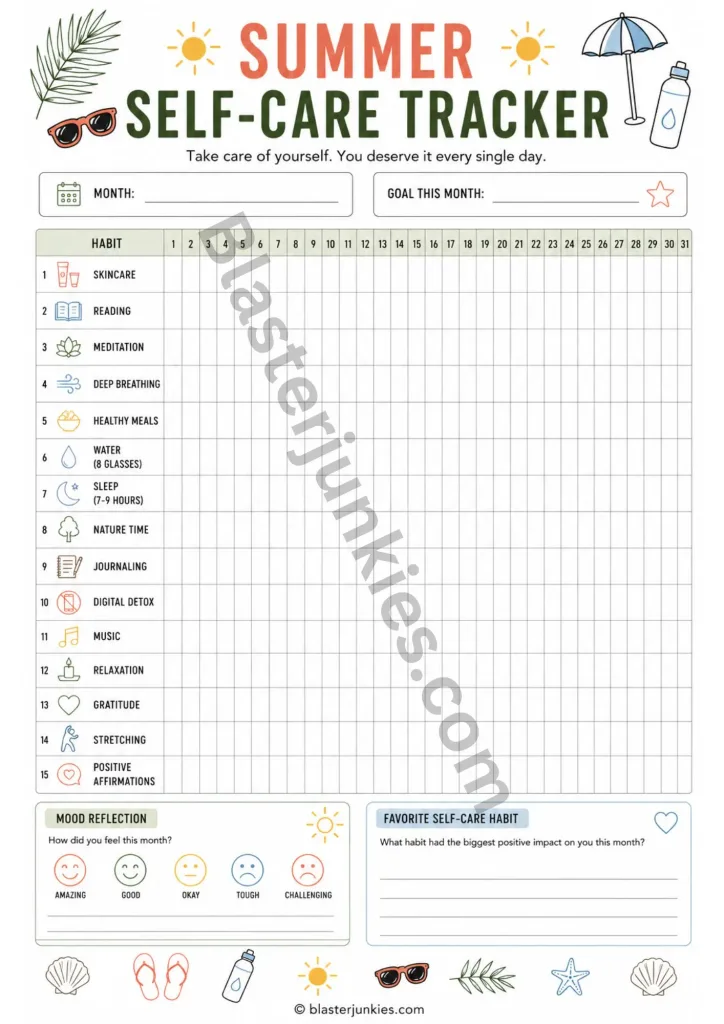
Each row represents a habit (like drinking water, reading, or getting outside), and each column represents a day of the month.
When a habit is completed, the child marks the box. Over time, those checkmarks form a pattern that’s easy to see and easy to feel proud of.
The beauty of this format is that it works for almost any goal.
Whether you want your child to build a reading habit, drink more water, spend less time on screens, or simply get outside more, the same simple grid does the job.
It turns a vague “I should” into a concrete “I did,” and that shift matters a lot for young minds who are still learning how habits form.
A habit tracker works even better when it’s part of a broader summer rhythm rather than a standalone chart taped to the fridge.
Pair healthy daily habits with fun outdoor experiences, like a Beach Scavenger Hunt For Kids or a day exploring a USA National Park Checklist Printable.
These kinds of activities naturally reinforce habits like outdoor time and movement without it feeling forced.
If your family is planning any trips, tools like a Vacation Packing List Checklist or a Camping Packing Checklist Printable can help keep things organized so the good habits don’t get lost in travel chaos.
Why Habit Tracking Works So Well for Kids
Children respond strongly to visual feedback and small rewards.
A blank calendar grid slowly filling up with checkmarks or stickers gives an immediate sense of progress that’s far more motivating than a parent simply saying “good job.”
It also teaches an important life skill early: consistency beats intensity.
A child doesn’t need to be perfect every day they just need to keep showing up, and the tracker makes that effort visible.
There’s also a psychological trick at work called the “don’t break the chain” effect.
Once a child has checked off five or six days in a row, they naturally want to keep the streak going.
That small, self generated motivation is often more powerful than any external reward system, because it comes from the child’s own sense of accomplishment.
Finally, tracking habits together as a family creates natural moments for conversation. Filling in the chart each evening becomes a quick check in: What did you read today?
Did you drink enough water? Did you get outside? These small daily touchpoints build routine and connection without feeling like a lecture.
How to Use the Tracker With Kids: A Simple System
1. Pick 5 to 8 habits, not all of them. It’s tempting to track everything at once, but that usually backfires.
Sit down with your child and choose a handful of habits that matter most this summer maybe reading, water intake, outdoor time, and a screen free hour.
Fewer habits, tracked consistently, beat a long list that gets abandoned by week two.
2. Let your child help choose the goals. Kids stick with habits they had a hand in picking. Ask them what they want to get better at or what they’re excited to do more of this summer.
A tracker that feels imposed rarely lasts; one that feels like the child’s own plan usually does.
3. Set a simple daily routine around it. Pick one consistent moment right before bed, or after dinner to fill in the chart together.
This turns the tracker into a ritual rather than a chore, and it only takes a minute or two once it becomes habit.
4. Use stickers, colors, or stamps for younger kids. For younger children, swap checkmarks for stickers or let them color in each box with a favorite marker.
The tracker becomes part of the fun rather than feeling like a school assignment.
5. Celebrate progress, not perfection. Missing a day is normal and shouldn’t derail the whole month.
Frame the tracker as a tool for building awareness, not a report card. Celebrate weekly progress, and talk about what made the good days easier so your child can repeat those conditions.
6. Set a small reward for consistency. A simple end of month reward a trip to get ice cream, an extra hour of a favorite activity, or a small treat gives kids something to look forward to and reinforces that their effort mattered.
Making It Part of a Bigger Summer Plan
And for those long car rides, a Road Trip Games Printable or the classic License Plate Game Printable keeps kids engaged and off screens.
Even simple weekend fun, like setting up a Lemonade Stand Kit Printable or hosting an afternoon with Ice Cream Party Printables, can double as a reward for a great tracking streak.
And if you’re building out a full list of summer goals as a family, pairing the habit tracker with an End of Summer Bucket List Printables gives kids both the daily structure and the big picture excitement to look forward to.
Carrying the Habit Into the School Year
One of the best things about starting habit tracking in summer is that it doesn’t have to stop when school starts.
The same consistency skills translate directly into the classroom.
A Morning Routine Chart for Kids can pick up right where the summer tracker leaves off, and tools like The Student Assignment Tracker Template apply the exact same “check it off, see your progress” logic to homework and projects once the new year begins.
Final Thoughts
A Summer Habit Tracker is a small tool with a big impact.
It turns healthy routines into something visible, achievable, and even fun for kids without turning summer into another version of school.
Keep it simple, let your child take ownership, celebrate small wins, and pair it with the kind of hands on summer activities that make the season memorable.
By September, you won’t just have a filled out chart you’ll have a child who understands, in a very real and personal way, what it feels like to build a habit and stick with it.