Insects fascinate young children. They love to watch ladybugs crawl. They watch bees buzz among the flowers. They observe butterflies fluttering in the air.
Our Bug Do a Dot Pages tap into this natural curiosity. This printable set makes early learning interactive and fun.
It provides clean, structured outlines designed for little hands. Let’s explore how to use these templates successfully.
Fine Motor and Sensory Growth
Do a dot activities offer excellent fine motor practice. They require children to use several physical skills:
Grip Strength: Holding thick dot markers securely in their hands.
Hand Eye Coordination: Aligning the marker tip with the printed circles.
Bilateral Integration: Using one hand to hold the page steady while stamping.
Spatial Awareness: Deciding where to press next to fill the blank spots.
These actions develop hand muscles needed for future writing tasks. Tactile exploration also helps children understand pressure.
They learn how hard to press the marker tip. Pressing too hard creates large, wet puddles on paper.
Pressing too lightly leaves a faint, incomplete circle. Adjusting their physical force requires muscular control.
This control is a key milestone in hand development. It builds the stability needed to write with ink pens.
Incorporating Crafts into Daily Routines
Structured schedules help children stay focused and calm. You can easily schedule a dedicated quiet hour.
Add daily table time to your Morning Routine Chart for Kids. This establishes a consistent habit of creative learning.
Tracking daily progress keeps kids motivated over holiday breaks. Our Summer Habit Tracker for Kids makes goal setting interactive. Use it to record completed crafts and reading tasks.
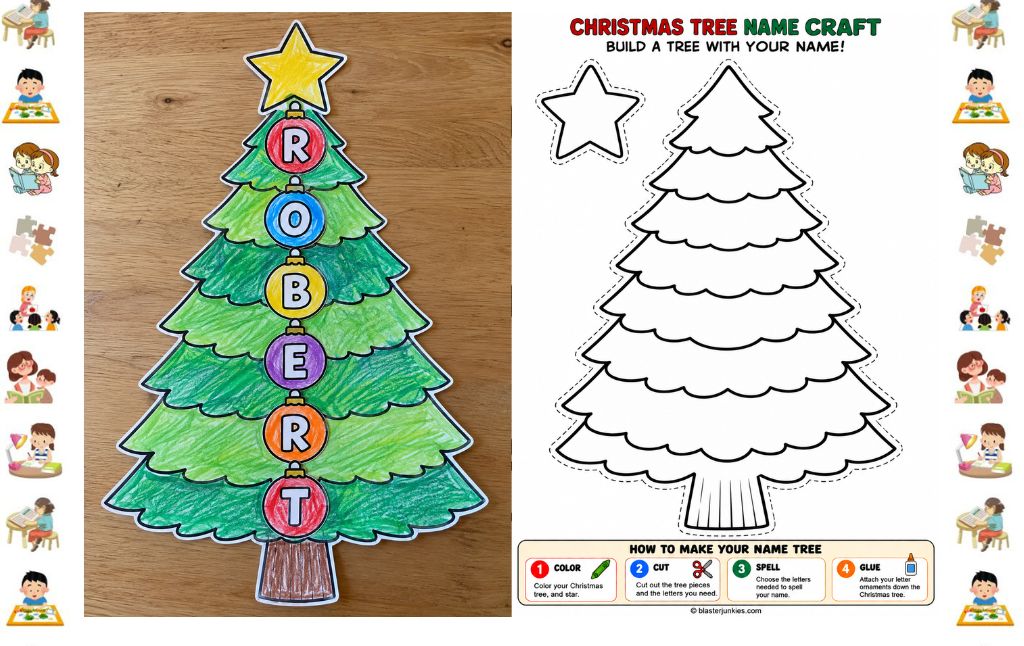
You can easily expand your outdoor garden unit. Look for real bugs outside in your yard. Add garden-themed spelling practice with our watering can name craft.
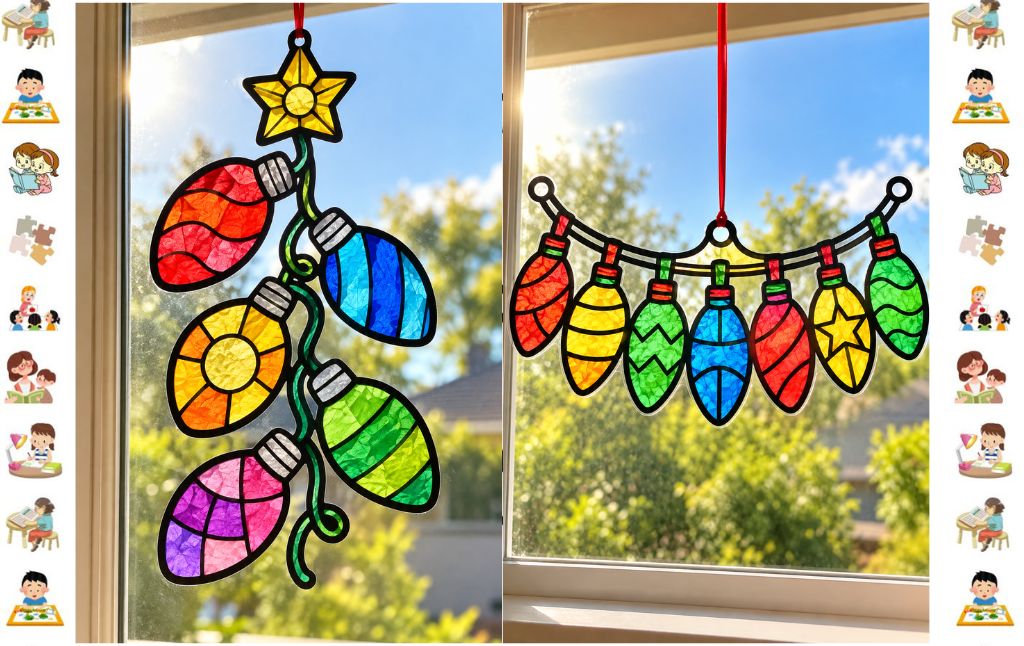
Different craft styles can keep motor practice exciting. Try our Easy Suncatcher Crafts to practice working with clear contact paper and tissue.
You can also explore painting with fingerprints. Use our Fingerprint Seahorse Crafts for Early Learning for similar circular exercises.
You can also introduce basic logical classification. Explore early math skills with our tops and bottoms sorting activity printable.
This keeps daily lessons fresh and highly engaging. If you want to study sea life next, we have options. Try our Fun Ocean Animal Worksheets to count and match ocean creatures.
Key Features of the Bug Do a Dot Pack
This printable pack uses diverse, recognizable outlines to teach. It does not rely on complicated reading instructions. The worksheets cover several child-friendly insect themes:
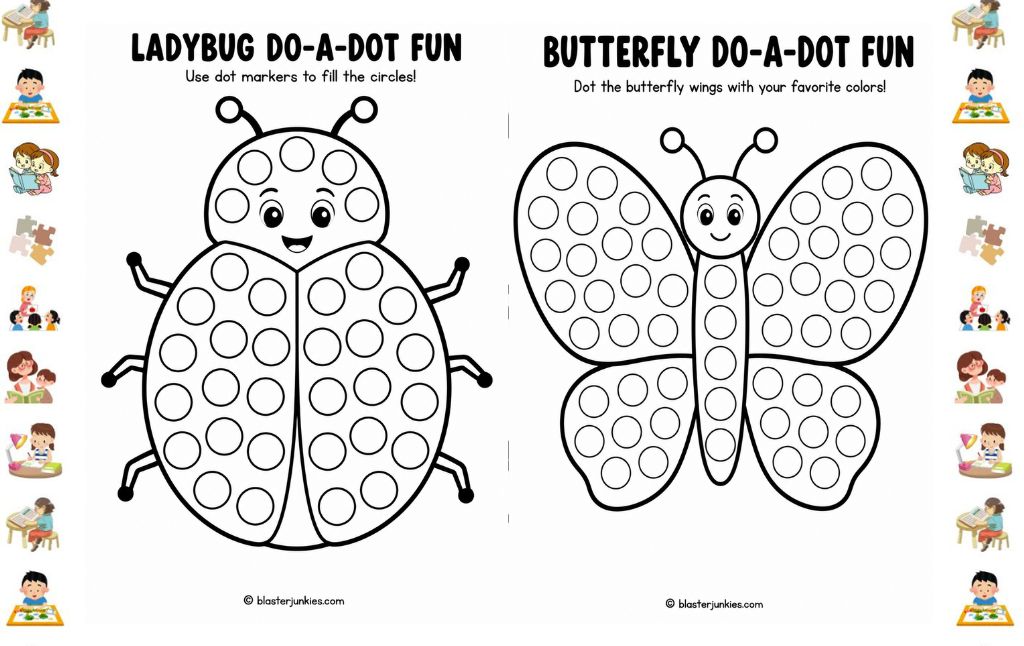
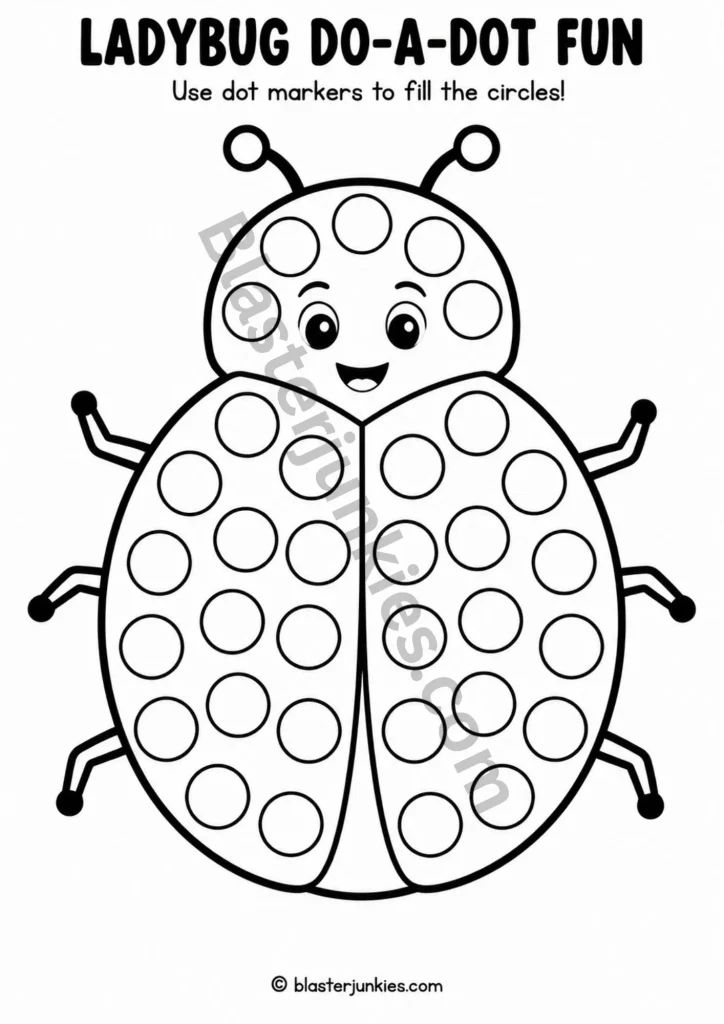
Spotted Ladybugs: Features a friendly ladybug body covered in circular spots.
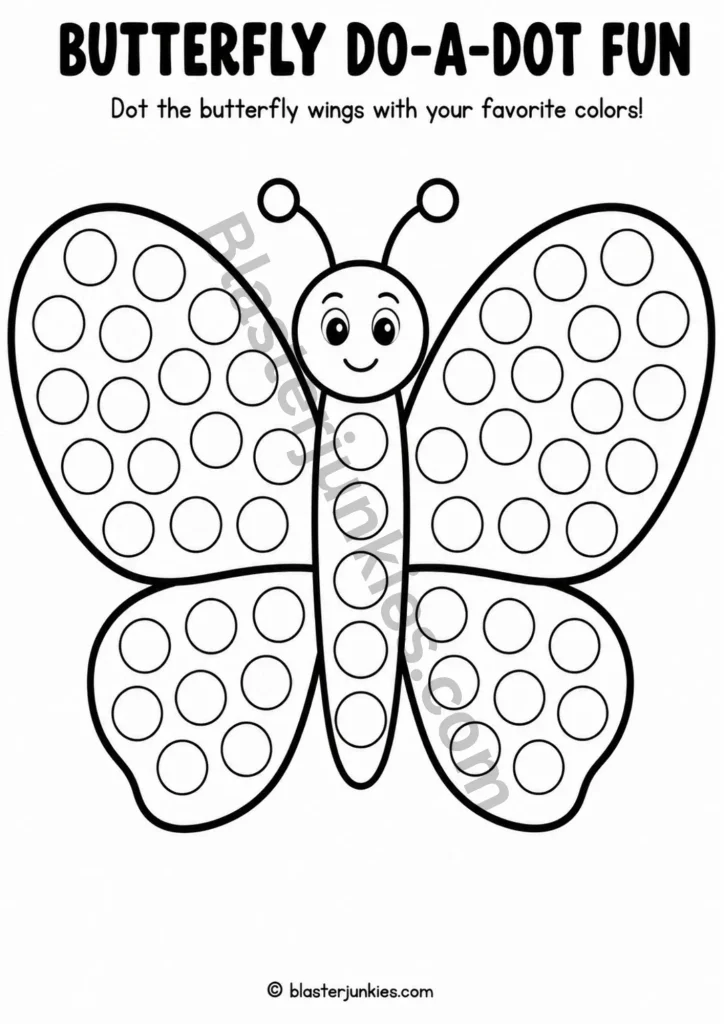
Fluttering Butterflies: Promotes symmetry as kids decorate both wings with colorful dots.
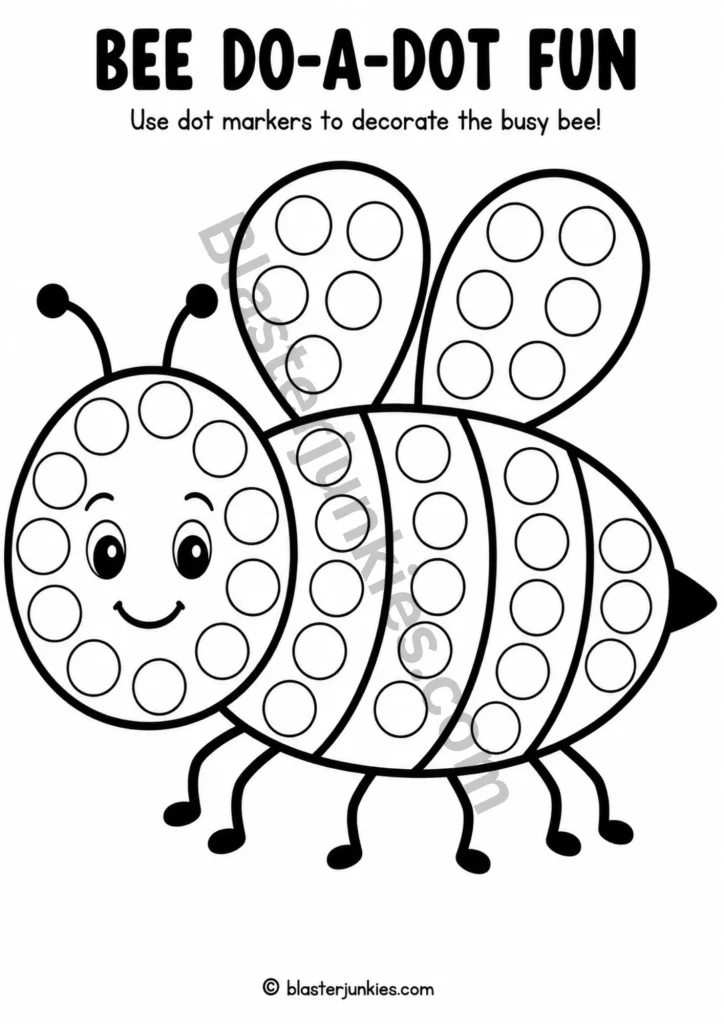
Busy Bees: Teaches striped patterns on a cute bumblebee outline.
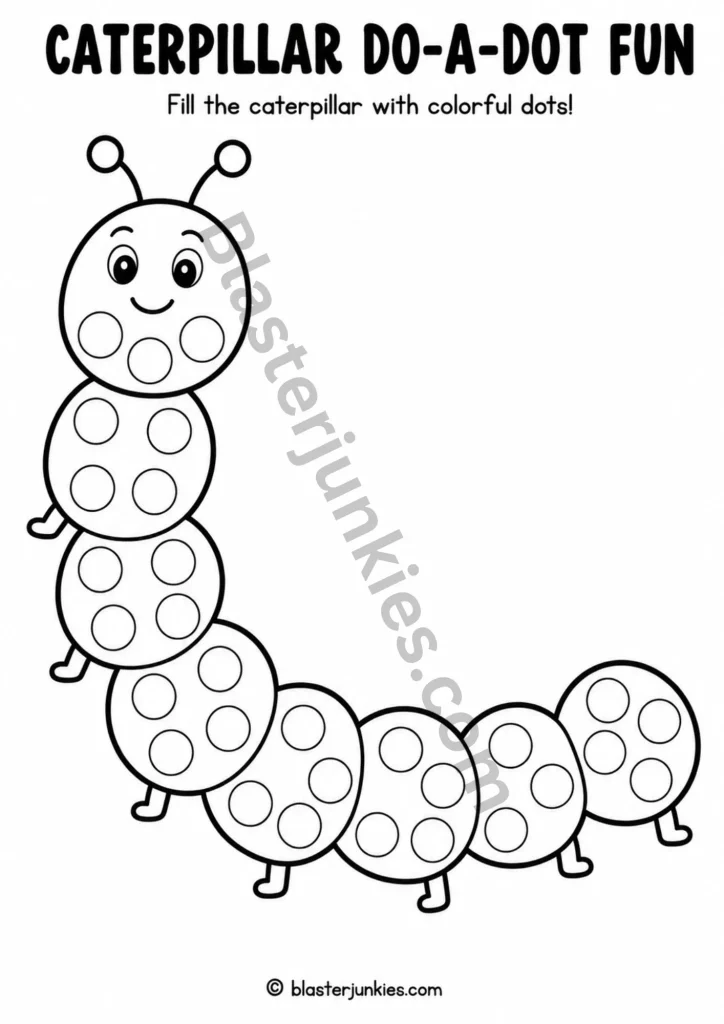
Long Caterpillars: Encourages sequential stamping along a curved, segmented body.
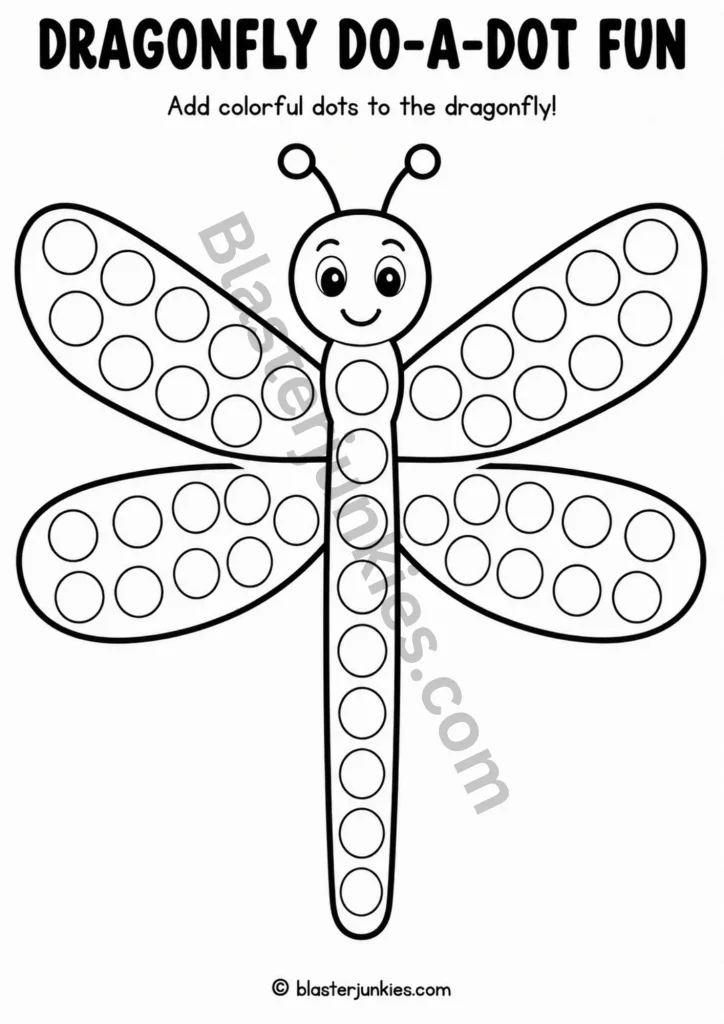
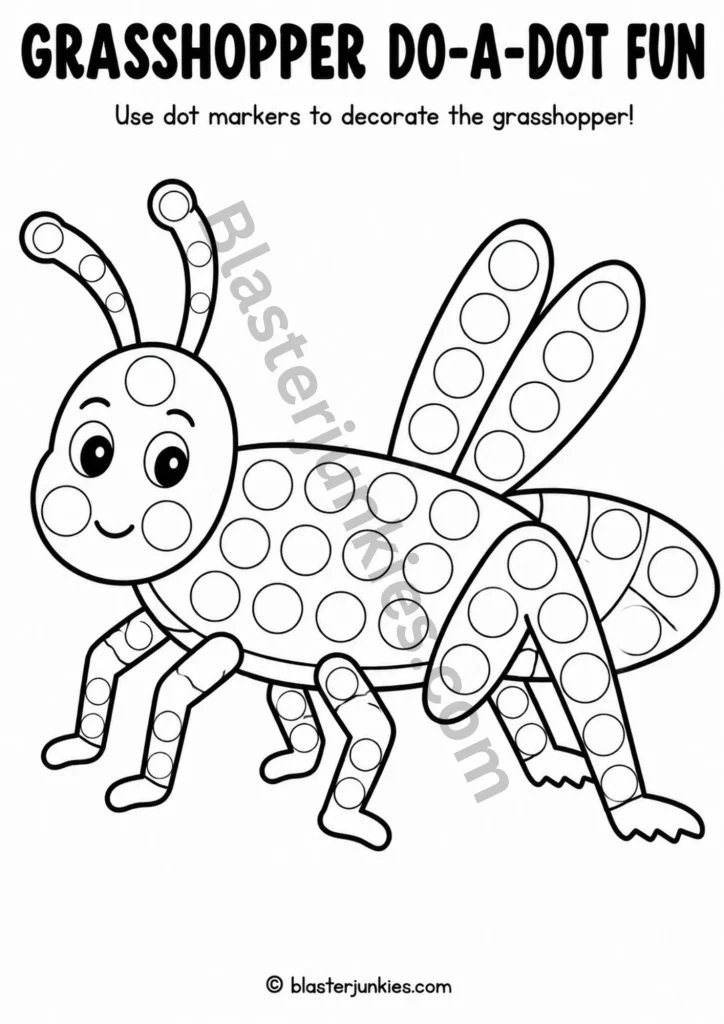
Diverse Garden Bugs: Includes snails, ants, beetles, grasshoppers, fireflies, and dragonflies.
Each template features large, bold circles inside the body shapes. These circles fit standard dot markers and bingo dabbers.
Creative Ways to Use These Pages (Beyond Dot Markers)
Dot markers are fantastic, but you can use other mediums. Here are a few low-mess alternatives to keep things fresh:
Fingerprint Stamping: Use colorful ink stamp pads.
Round Stickers: Have children peel and place circular yard sale stickers on the dots.
Pom Pom Matching: Place colorful pom poms on the circles using child safe plastic tweezers.
Playdough Mats: Laminate the pages to use them as playdough pressing guides.
Coloring Pages: Use standard crayons or colored pencils to color the circles.
These variations keep the printable pack versatile. They allow you to reuse the same pages in different ways.
Easy Tips for a Tidy Dot Marker Session
Dot markers can sometimes get messy with young children. You can keep the workspace clean with easy steps.
Use a plastic tray or baking sheet as a border. This keeps the paper and markers in one place. Have damp baby wipes nearby during the session.
Teach children to wipe their hands immediately if paint spills. This builds good habits and simplifies the final cleanup. A tidy space keeps the focus entirely on creative play.
Exploring Early Math and Literacy
Do a dot worksheets are excellent tools for early math. They teach children about patterns and counting. Have your child count each dot as they stamp.
This builds one to one correspondence skills. They learn that each stamp represents one count.
You can also teach basic color patterns. Ask them to alternate colors along the caterpillar’s body. “Can you make a red and yellow pattern?”
This visual result makes sequencing patterns memorable. It encourages kids to focus and plan ahead.
You can also use these pages to build literacy. Each page features the name of the insect clearly at the top. Point to the letters of the words like “BEE” or “ANT.”
Have your child spell out the letters as they stamp. This connects visual spelling with their physical stamping actions. It makes letter learning highly interactive.
You can also discuss the sounds each insect makes. “What sound does a bee make?” This simple conversation builds early phonics skills naturally.
Laminating and Reusability
To get long term use from this pack, try lamination. Laminated pages make excellent, reusable learning mats. Kids can place colorful glass gems on the circles.
They can use plastic tweezers to lift and sort gems. This adds a fantastic fine motor challenge.
You can also wipe the plastic pages clean easily. This makes them highly suitable for busy classroom environments.
Customizing for Different Age Groups
These printable templates are highly adaptable. They suit children of varying developmental levels.
For toddlers (ages 2-3), focus on simple coordination. They can use large stampers or stickers freely. Do not worry if they miss the circular guidelines. The goal is simply enjoying the tactile motion of stamping.
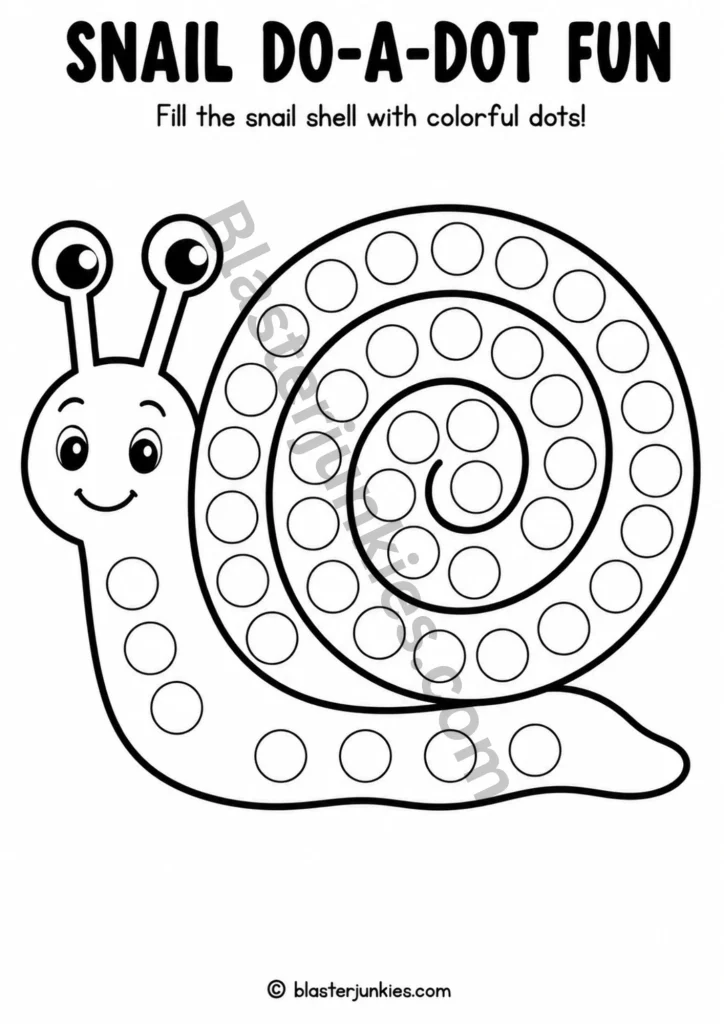
For preschoolers (ages 3-4), encourage precision. Have them try to center their stamps inside each circle. This builds spatial planning and hand control.
For older kids (ages 5-6), encourage patterns and spelling. They can count the total dots on each insect. They can write the final number at the top of the page.
This flexibility makes the pack great for families. Siblings of different ages can work together successfully.
Conclusion
Stamping with colorful dots is a wonderful experience. These printable bug designs combine art with sensory play.
They help children build essential fine motor skills. Patience, coordination, and focus are all supported.
You can easily download the complete pack today. It is ready to print and use immediately.
Enjoy watching your child discover colors through play. Have fun decorating your paper bugs together today!