Learning the alphabet is a major milestone for young children. The letter A is the very first step on this journey. It opens the door to reading and spelling.
Preschoolers learn best when activities are hands on and visual. Traditional rote learning can often feel repetitive for young minds.
The Letter A Worksheets for Preschool pack makes learning interactive. It provides a supportive, structured way to master the first letter.
Let’s explore how to use these templates successfully.
The Building Blocks of Alphabet Success
Letter recognition requires several cognitive and physical skills. Children must identify both uppercase and lowercase shapes.
They need to associate these shapes with specific sounds. They also practice the fine motor movements needed to write.
Our worksheet bundle targets all these developmental areas. It combines trace-and-write guides with fun visual games.
This multi sensory approach keeps early learning engaging. It helps children retain letter shapes more effectively.
Incorporating Alphabet Practice into Daily Routines
Consistent daily habits help children focus and feel secure. You can easily schedule a dedicated morning learning hour.
Add focused table activities to your Morning Routine Chart for Kids. This establishes a productive, screen free habit early in the day.
Setting milestone goals keeps learning positive and exciting. Map out developmental targets with our Kids Vision Board. This helps kids visualize their learning successes with pride.
Letter A vocabulary often starts with simple insects, like ants. Extend your bug themed learning days with our bug do a dot pages preschool. These pages develop precise hand control using colorful ink dabbers.
For early math integration, try our popular count and color bugs worksheets.
Sorting is another vital cognitive skill practiced in this pack. It helps children differentiate capital letters from lowercase letters.
Differentiate more environmental objects with our tops and bottoms sorting activity printable. This strengthens spatial reasoning and categorization skills.
You can introduce more creative, sensory based craft projects next. Try our Fingerprint Seahorse Crafts for Early Learning for tactile paint play.
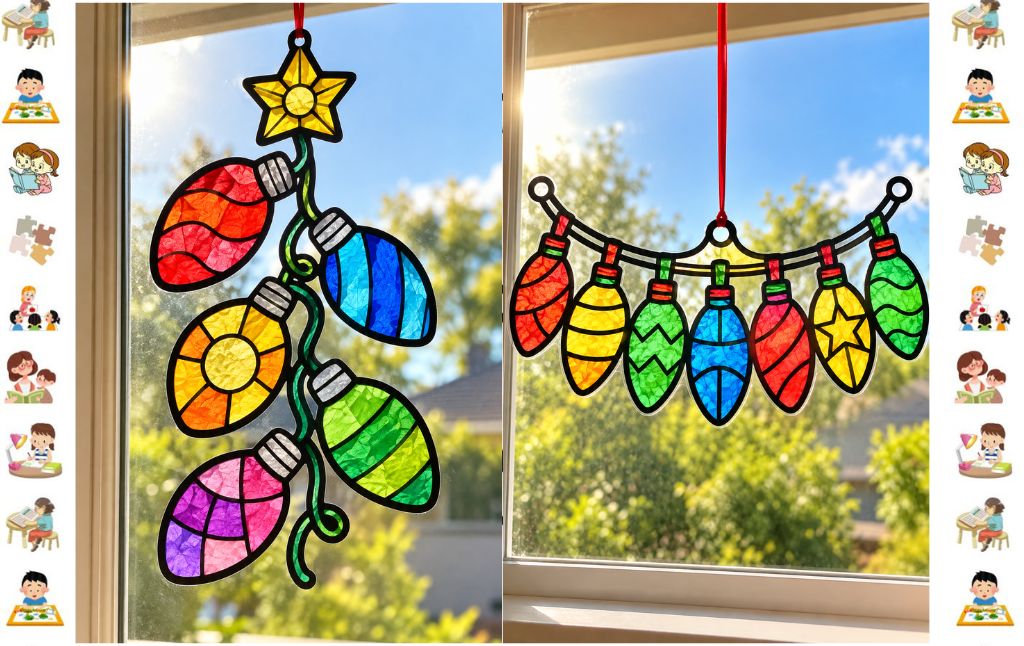
Encourage more advanced scissor control and assembly skills. Our Easy Suncatcher Crafts are great for practicing cutting and pasting.
Finally, connect your phonics lessons to the real world. The letter A represents autumn staples like apples and acorns.
Take a walk outside for a fun Autumn Scavenger Hunt Printable. Look for autumn items together to make learning active.
Key Concepts inside the Letter A Pack
This printable pack uses diverse, kid friendly layouts to teach. It does not rely on heavy reading blocks. The worksheets cover several core developmental categories:
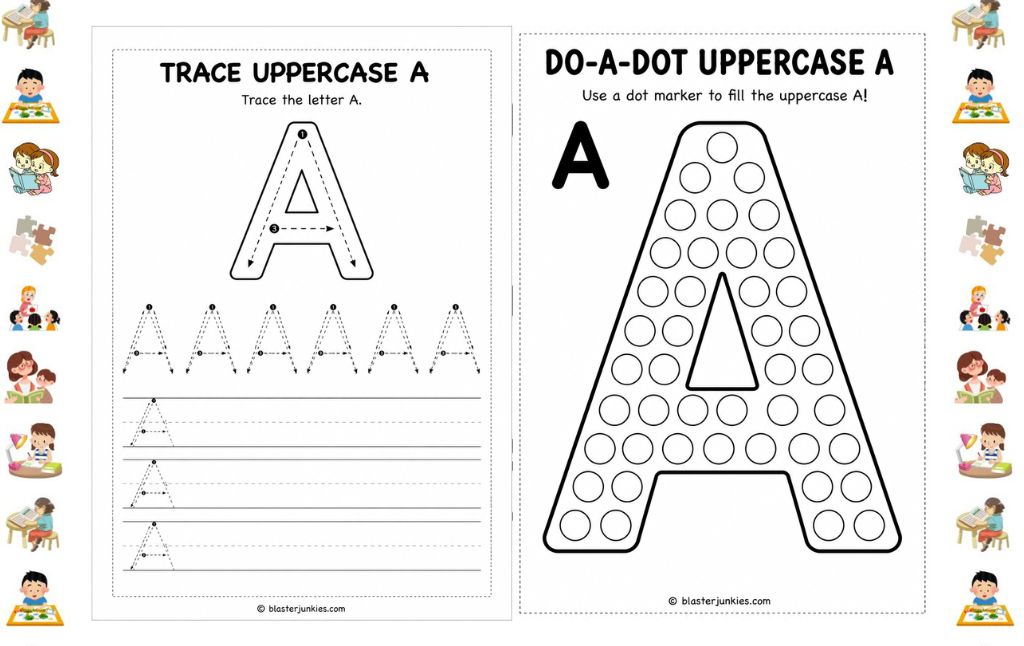
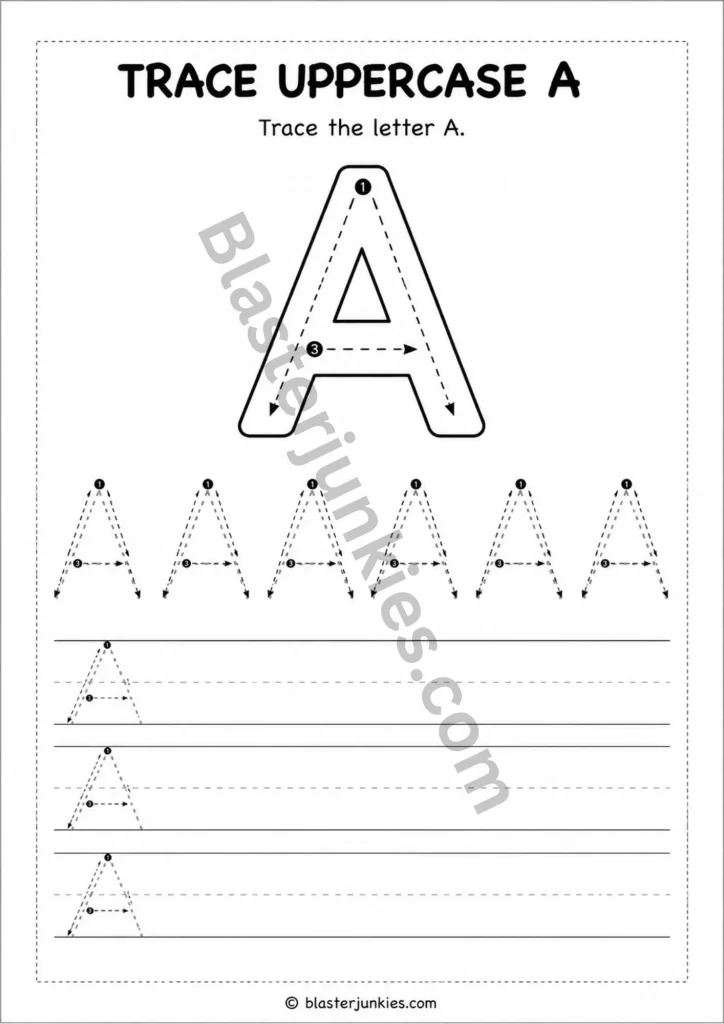
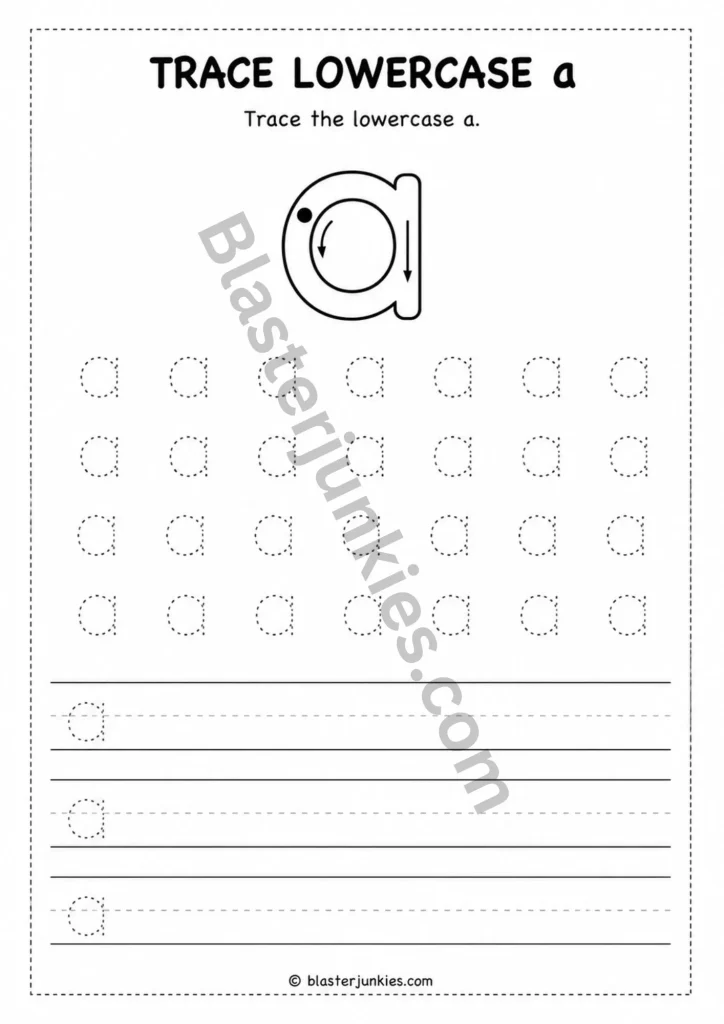
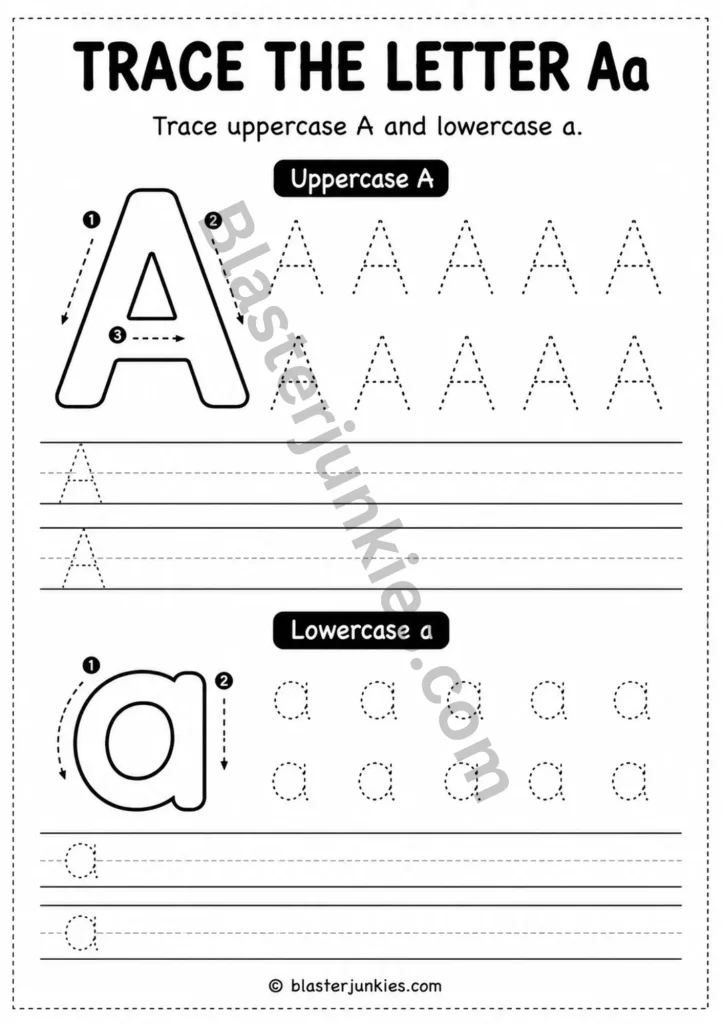
Trace and Write: Directional arrows guide children through the correct strokes for capital “A” and lowercase “a.”
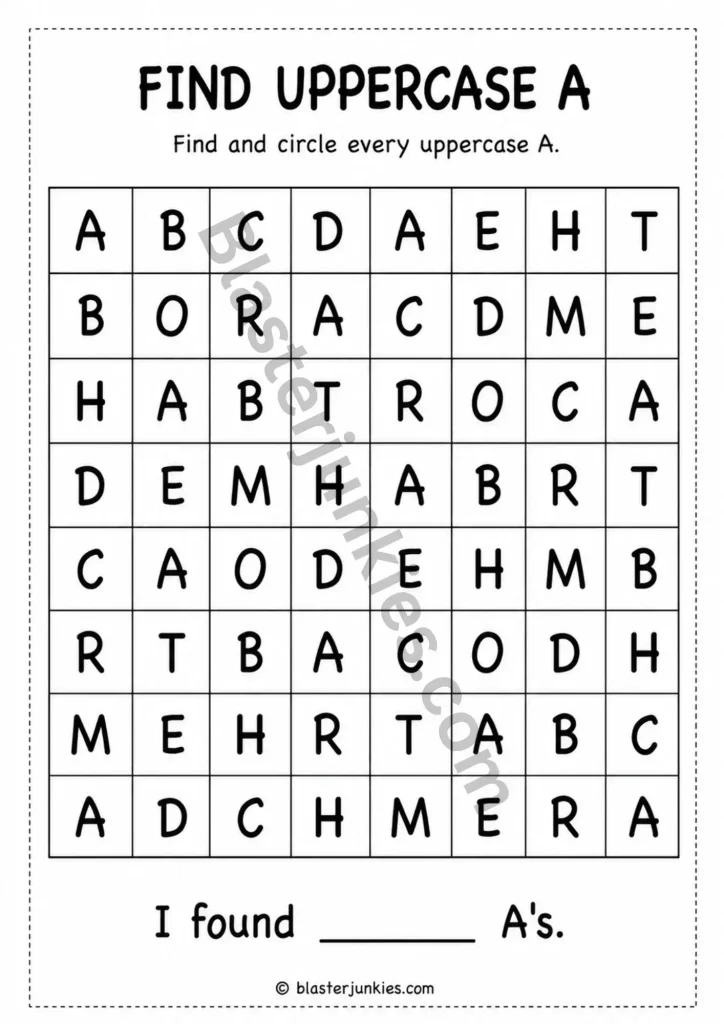
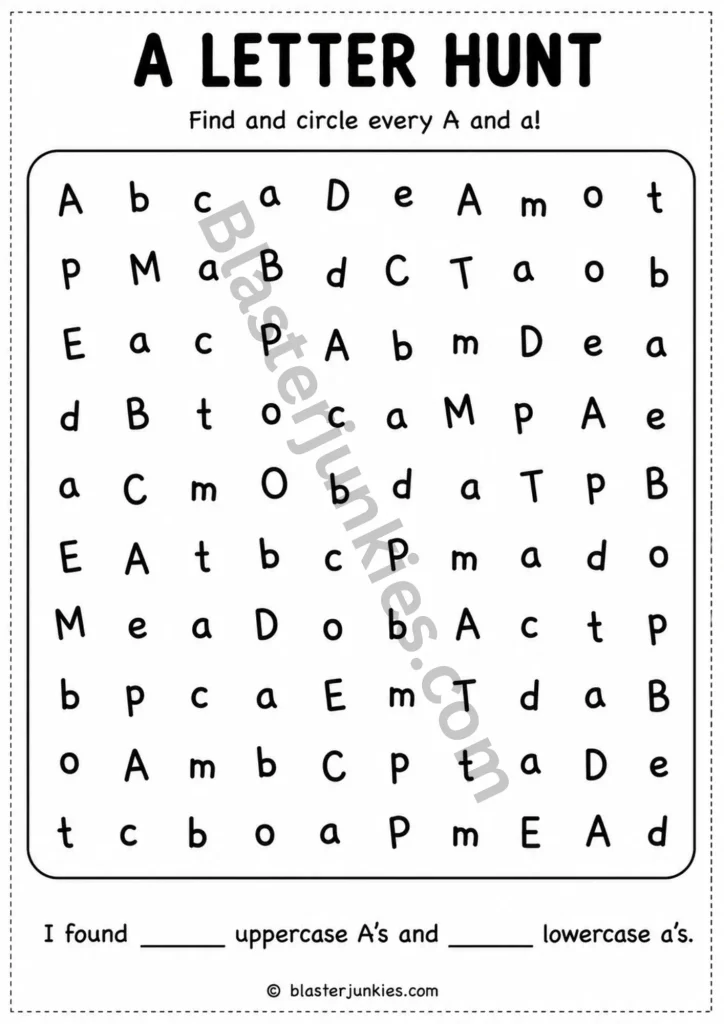
Visual Discrimination: Grid searches and letter hunts encourage kids to scan and locate letters amidst distractors.
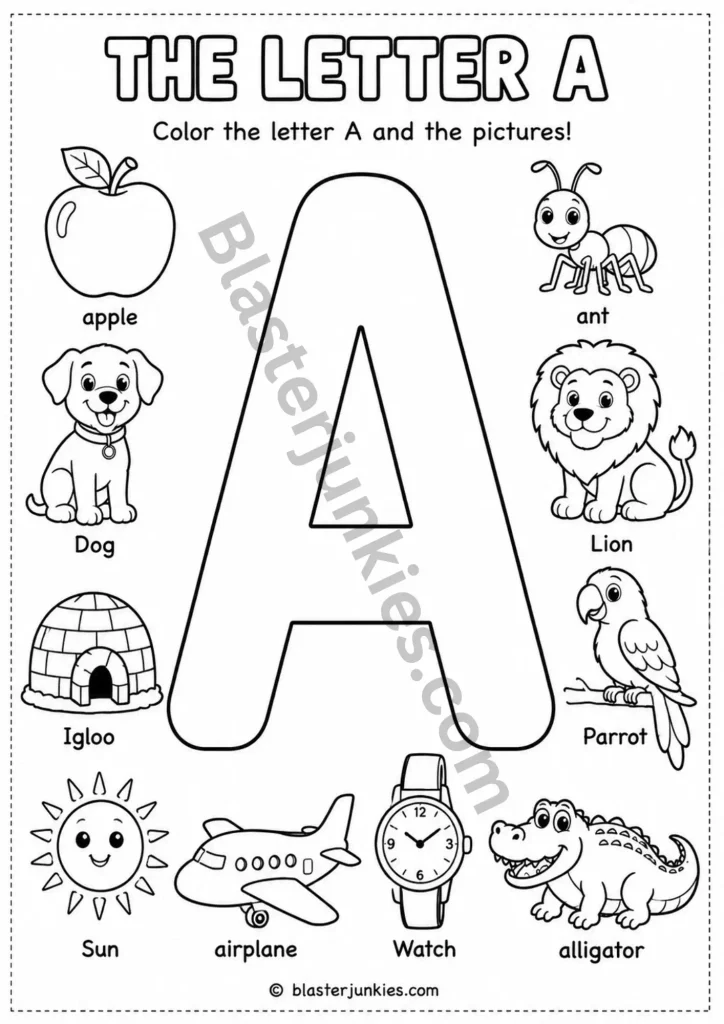
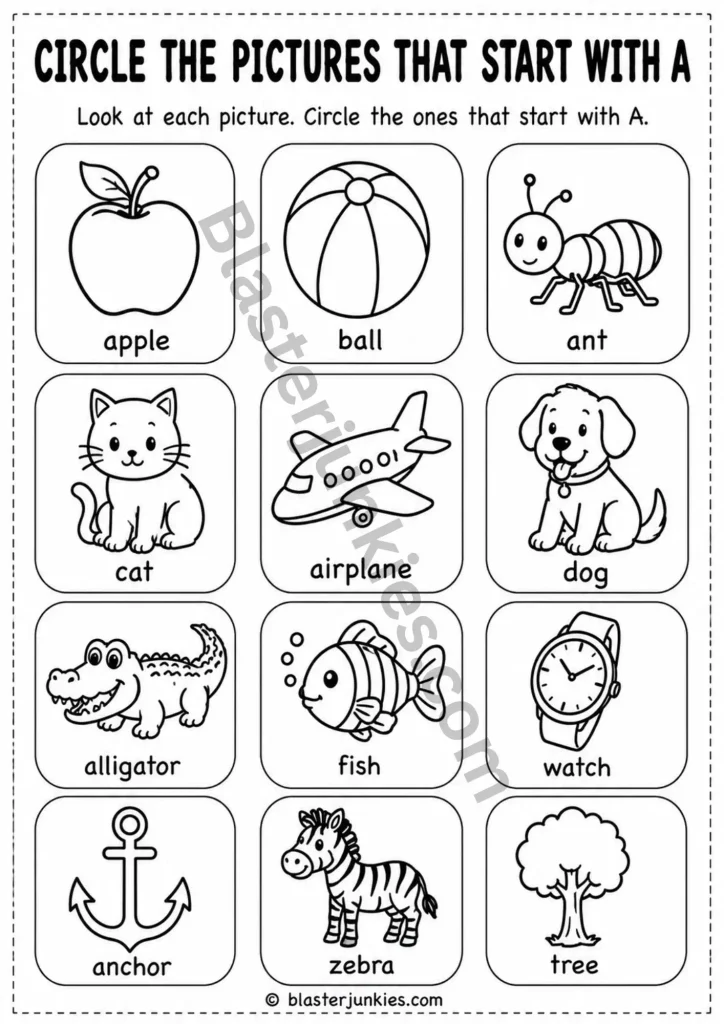
Phonics & Sound Association: Cute illustrations of apples, ants, and airplanes build sound recognition.
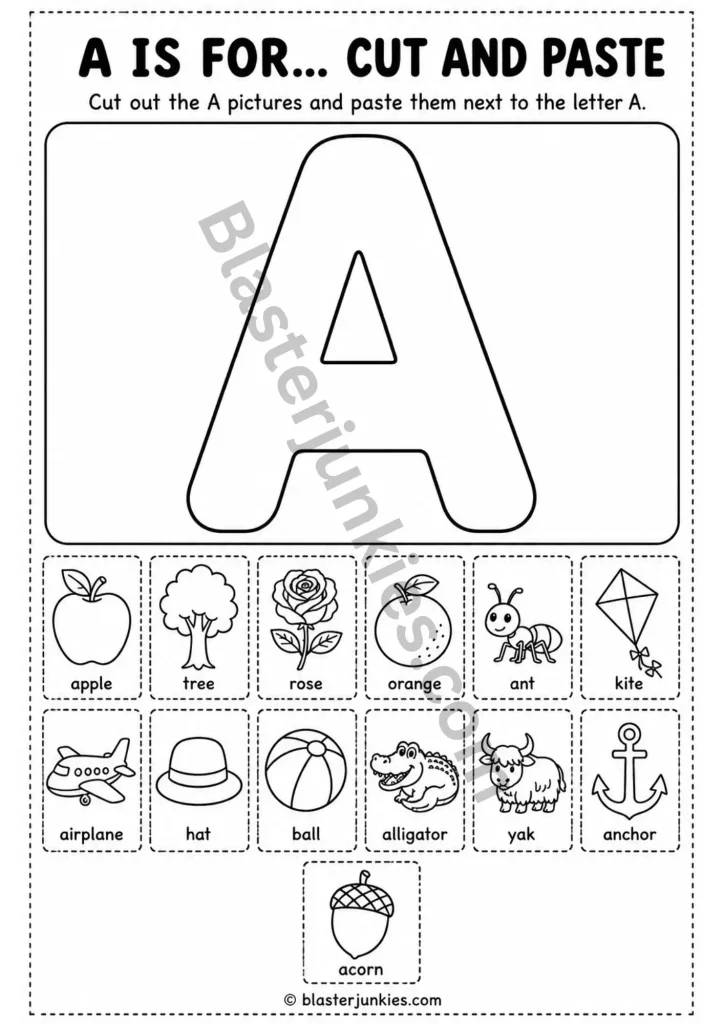
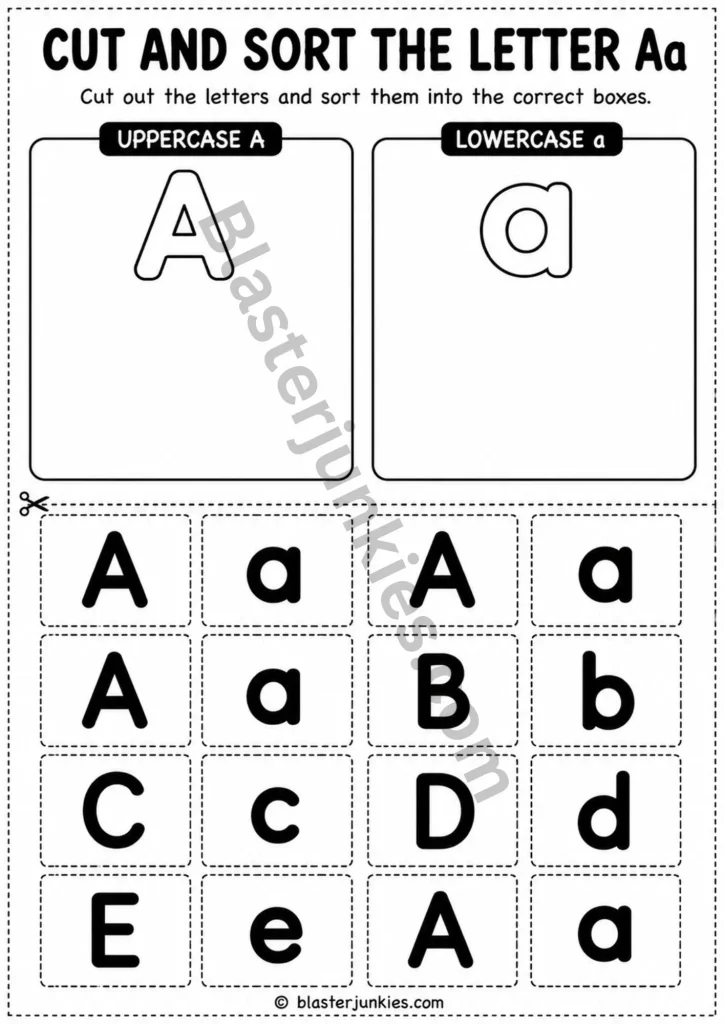
Cut and Paste Sorting: Hands on activities where children classify uppercase versus lowercase letters into separate boxes.
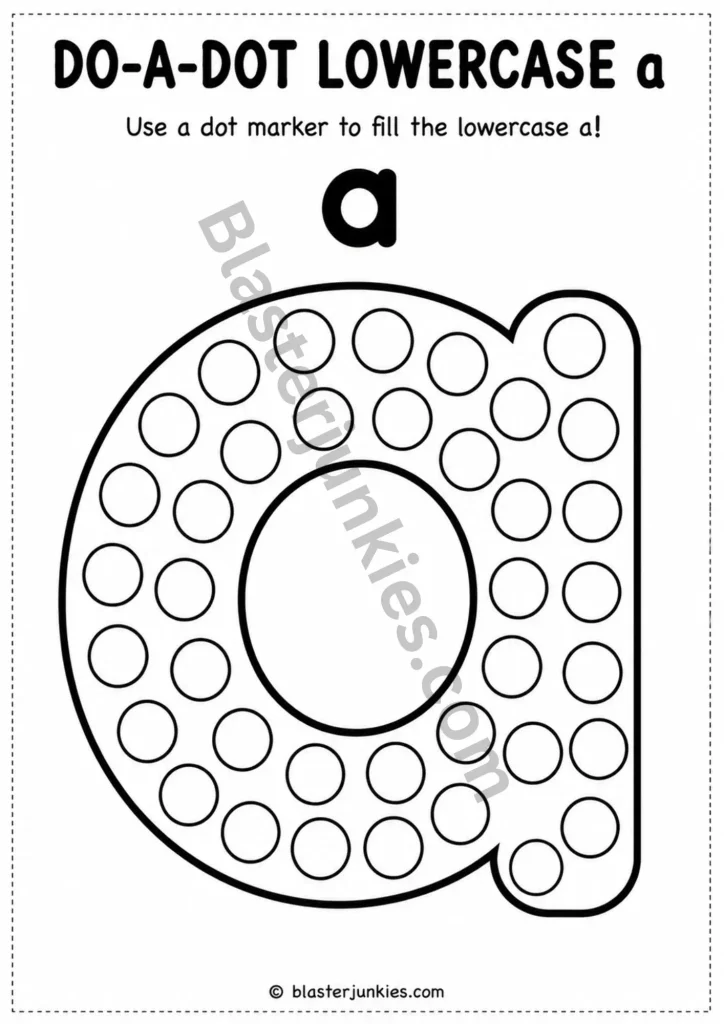
Dabber Stamping: Large do a dot letter layouts that develop muscular precision in the hands.
These activities build strong hand muscles for writing. They teach spatial awareness and paper stabilization habits.
How to Use These Alphabet Worksheets
Using these worksheets is straightforward and rewarding. Here is a practical guide to get started.
First, choose a worksheet that matches your child’s level. Beginners should start with large coloring and tracing guides.
They can follow the directional stroke arrows with crayons.
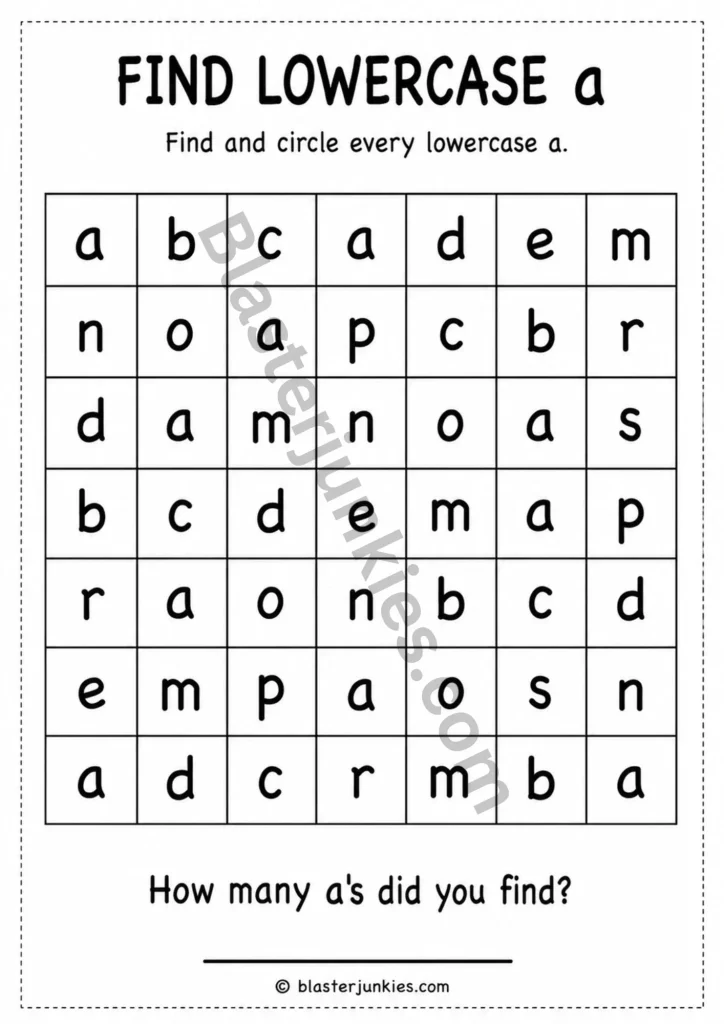
As their hand control improves, introduce letter discrimination grids. Let them hunt for hidden “A” shapes with highlighters.
To save paper, try laminating the tracing pages. Laminated pages work wonderfully with dry erase markers.
Your child can trace, wipe clean, and practice again daily. This is ideal for classroom learning centers. It also works great for quiet morning bins at home.
Supporting Cognitive and Fine Motor Milestones
Our worksheets do more than teach letters. They build essential fine motor coordination.
Using safety scissors to cut out letter boxes builds hand strength. Pasting them into sorting grids develops bilateral integration.
This dual hand coordination is essential for early physical growth.
The pack also encourages independent problem solving. Children must plan where to paste each letter block. This focus builds patience and attention spans.
Completing a page gives kids a clear sense of achievement. They feel proud to show you their finished worksheets.
This quiet pride boosts their self esteem. It motivates them to tackle more complex learning tasks.
Fun Classroom and Home Display Ideas
Do not let the learning stop on paper. Display their completed crafts around your home or classroom.
Create an “All About Letter A” bulletin board. Hang their custom colored ants, apples, and airplanes together.
This collaborative art project keeps spirits high. It helps children feel like part of a learning community.
They love finding their own work on the wall. This reinforces their letter recognition skills in a fun way.
At home, tape their best tracing sheets to the refrigerator. This marks their learning progress with pride.
Customizing for Different Age Groups
These printable pages are highly adaptable. They suit children of varying developmental levels.
For toddlers (ages 2–3), focus on simple recognition. Point to the large capital “A” icon on the page. Ask them to find the letter in books. You can color the picture blocks together.
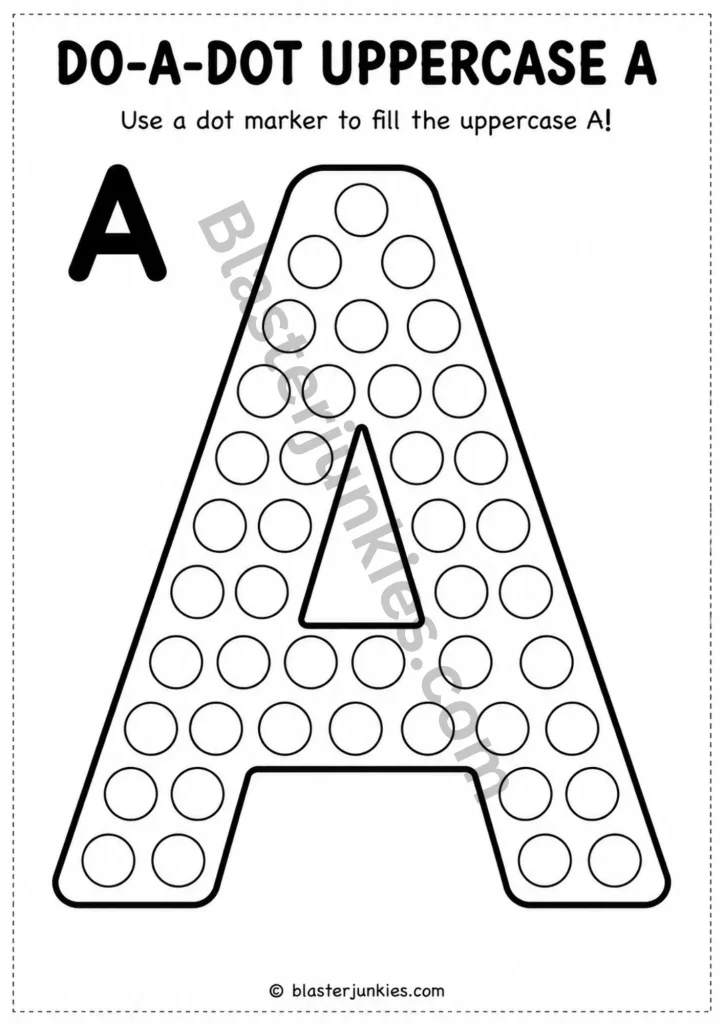
For preschoolers (ages 3–4), focus on letter tracing. Guide their hands as they learn to follow stroke lines. Let them use dot markers on the large templates.
For kindergarteners (ages 5–6), encourage independent work. Let them complete the letter hunt grids alone. They can write independent “A” words on the back.
This flexibility makes the pack great for families. Siblings of different ages can study together.
Conclusion
Learning to write is a wonderful journey. These printable alphabet worksheets combine essential science with daily fun.
They help children practice crucial fine motor skills. Both cognitive and physical development are supported.
You can easily download the complete 14 page pack. It is ready to print and use immediately.
Enjoy watching your child discover reading and writing. Have fun exploring the alphabet together today!