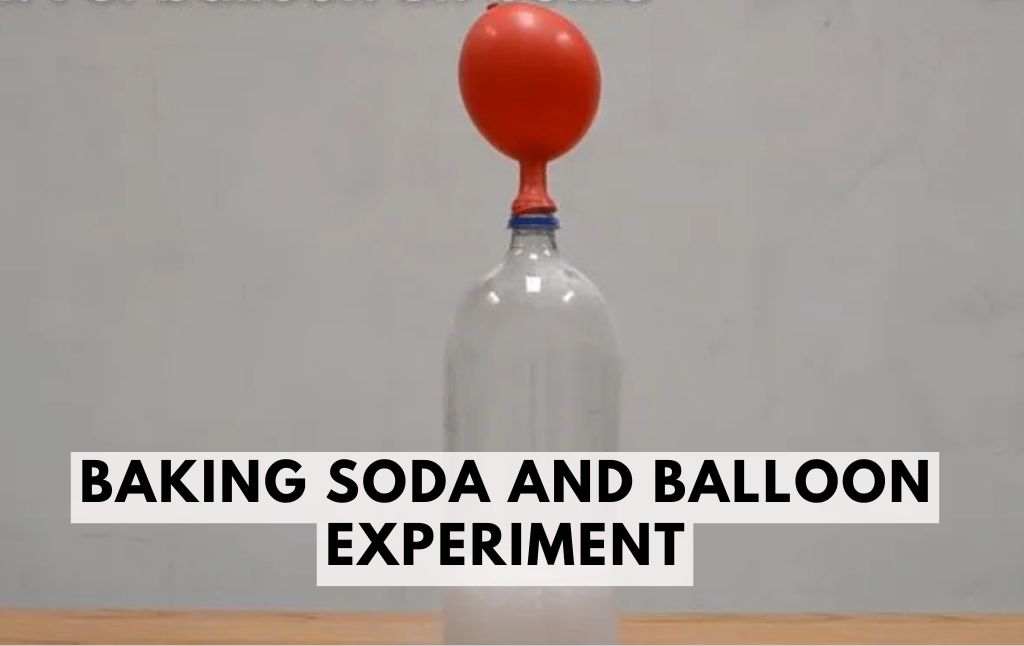
Looking for a fun and easy science experiment that teaches kids about chemical reactions?
The Baking Soda and Balloon Experiment is a simple yet exciting activity that demonstrates how gas is produced in a chemical reaction.
Watch as a balloon magically inflates without any air from your lungs—just science in action!
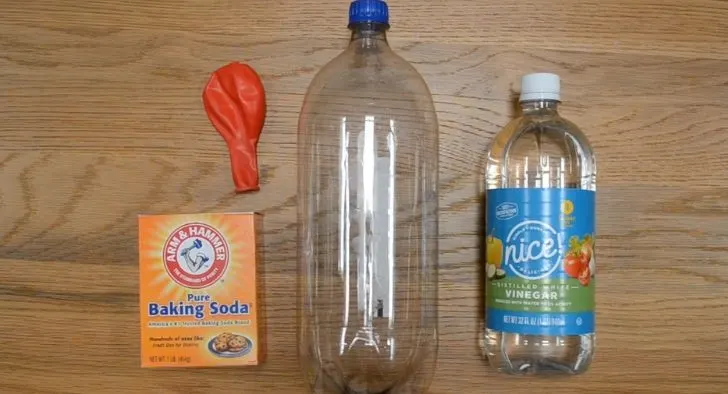
Materials You’ll Need:
- 1 empty 2-liter soda bottle
- 3/4 cup of vinegar
- 1 tablespoon of baking soda
- 1 balloon
- Funnel (optional, for easier pouring)
Step-by-Step Instructions:
Step 1: Prepare the Bottle
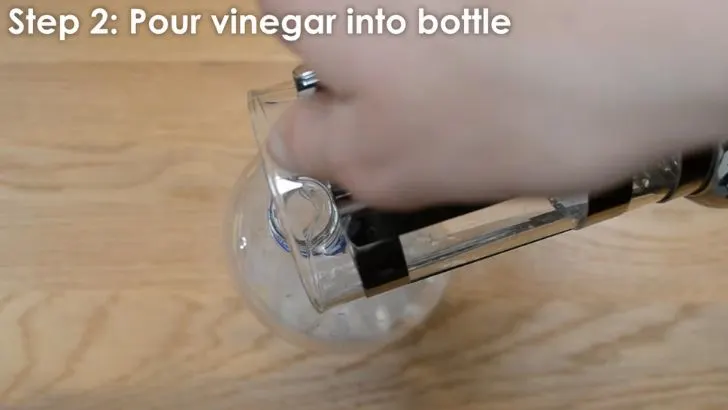
Remove the cap from your empty 2-liter soda bottle.
Pour 3/4 cup of vinegar into the bottle. You can use a funnel to make this easier and avoid spills.
Step 2: Prepare the Baking Soda
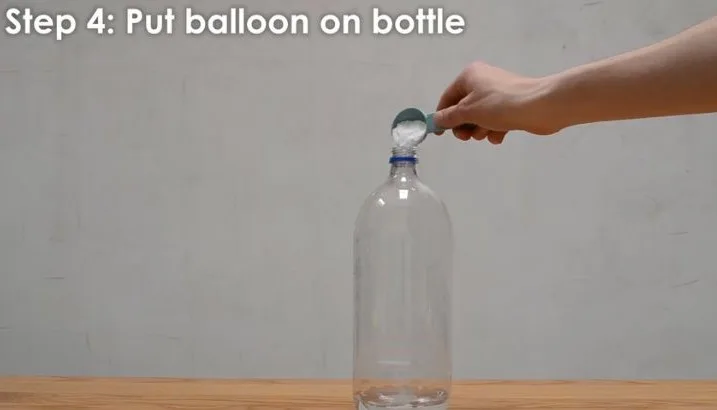
Carefully measure 1 tablespoon of baking soda.
Using a dry funnel, pour the baking soda into the un-inflated balloon. If you don’t have a funnel, you can use a spoon and gently tap the baking soda into the balloon.
Step 3: Attach the Balloon to the Bottle
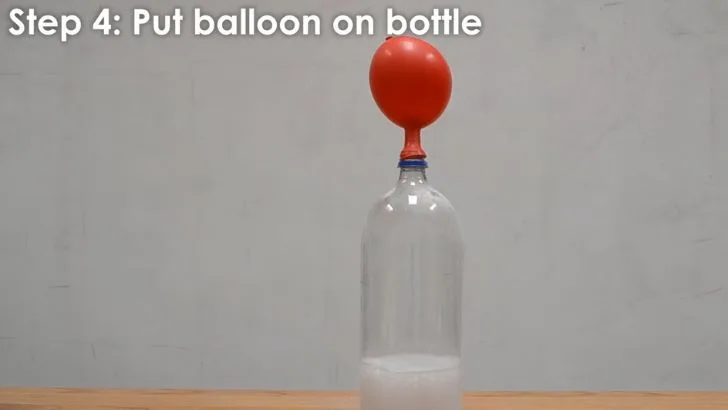
Stretch the mouth of the balloon over the bottle’s opening, making sure the baking soda stays inside the balloon.
Ensure the balloon is tightly secured so no gas escapes.
Step 4: Start the Reaction!
Lift the balloon, allowing the baking soda to fall into the bottle.
Observe as the vinegar and baking soda mix—your balloon will start to inflate!
What’s Happening? The Science Behind It
When baking soda (a base) and vinegar (an acid) mix, they undergo a chemical reaction, producing three things:
Water (H₂O)
Sodium acetate (a salt)
Carbon dioxide gas (CO₂)
The carbon dioxide gas is what fills the balloon. Since gas expands to fill the space available, it inflates the balloon as more CO₂ is produced.
Fun Experiment Variations:
Try different amounts of baking soda or vinegar to see how much gas is produced.
Use different bottle sizes and compare how well they inflate the balloon.
Try adding food coloring to the vinegar for a colorful twist.
Final Thoughts
This experiment is an easy and exciting way to introduce kids to chemistry and the concept of gas formation. It’s a great activity for science fairs, homeschooling, or just a fun afternoon experiment. Try it out and be amazed by the power of science!
Have you tried this experiment? Let us know how it went in the comments!
Kids Activities
Looking for more fun kids activities and other ideas to keep kids engaged, learning, and having fun? Check out these:
DIY iPhone Speaker Hacks: Amplify Your Music Without Electronics
How to Make Borax Crystals: A Fun and Easy DIY Science Experiment
Soda and Mentos Geyser Activity: A Fun and Explosive Science Experiment!
Dancing Rice Science Experiment for Kids
Dancing Popcorn Experiment Fun & Easy Dancing Corn Science
Easy Steps to Make Magic Sand at Home
How to Make a Rice Stress Ball – A Fun and Easy DIY Project!