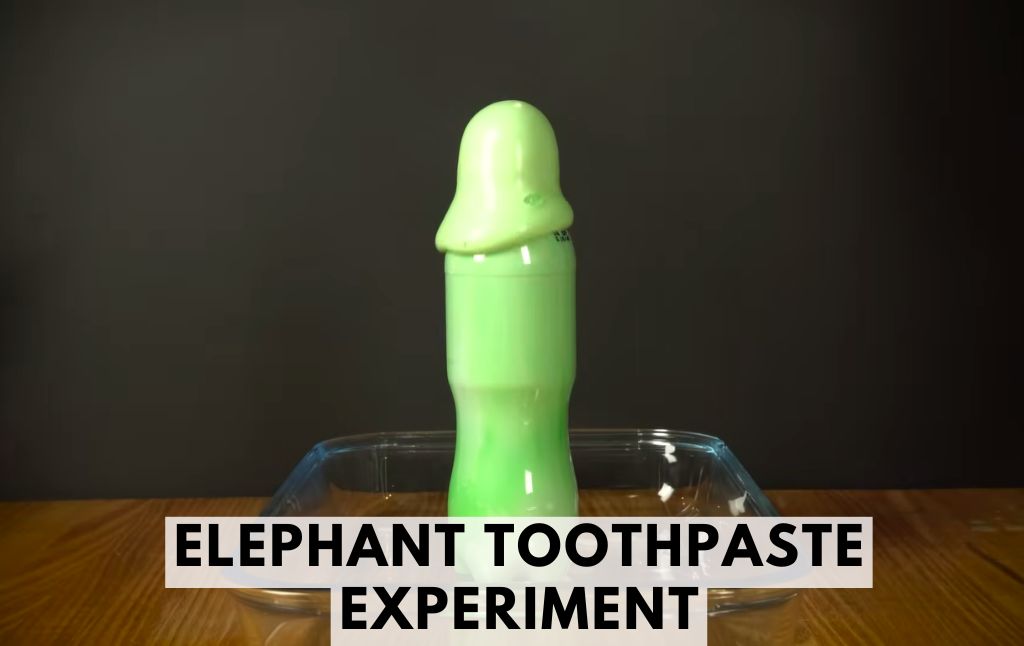
The Elephant Toothpaste Experiment is an exciting and visually stunning science demonstration that produces a rapid eruption of foamy bubbles.
This experiment is perfect for kids and science enthusiasts looking to explore chemical reactions and exothermic processes in a fun and safe way.
What You’ll Need
- Hydrogen Peroxide (6% or 20-volume preferred) – Found at beauty supply stores or online.
- Dry Yeast (1 packet or 1 tablespoon)
- Warm Water (3 tablespoons)
- Liquid Dish Soap
- Food Coloring (optional but fun for added visual effects)
- 16-ounce plastic bottle (empty soda or water bottle)
- Safety Glasses (recommended for protection)
- Tray or Large Plate (to catch the foam)
- Funnel (optional but helps with pouring)
Step-by-Step Instructions
Step 1: Prepare Your Work Area
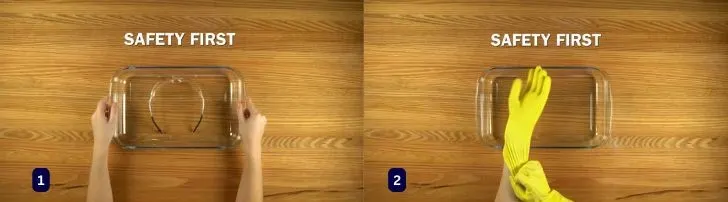
Place a tray or large plate under your bottle to catch the foamy eruption.
Put on safety glasses to protect your eyes, especially if using higher concentrations of hydrogen peroxide.
Step 2: Add Hydrogen Peroxide

Pour ½ cup (about 100 mL) of hydrogen peroxide into your plastic bottle.
If using a stronger concentration (12% or higher), make sure an adult handles it carefully.
Step 3: Add Dish Soap & Food Coloring
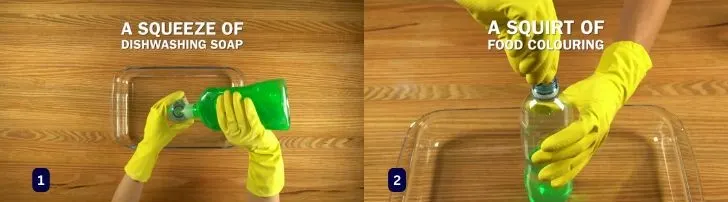
Add 1 tablespoon of dish soap to the bottle.
Swirl the bottle gently to mix the soap and hydrogen peroxide.
For a colorful foam effect, add 10-20 drops of food coloring inside the bottle. You can also drip food coloring along the inner rim for fun color streaks.
Step 4: Make the Yeast Mixture

In a small cup, mix 1 packet (or 1 tablespoon) of dry yeast with 3 tablespoons of warm water.
Stir the mixture for about 30 seconds to activate the yeast.
Step 5: Create the Reaction

Use a funnel to quickly pour the yeast mixture into the bottle containing the hydrogen peroxide and soap.
Step back and watch the reaction!
You’ll see a huge foamy eruption that looks like giant toothpaste squirting out of a tube – hence the name Elephant Toothpaste!
The Science Behind It
This experiment demonstrates a decomposition reaction. Hydrogen peroxide (H₂O₂) naturally breaks down into water (H₂O) and oxygen gas (O₂), but the process is very slow. The yeast contains an enzyme called catalase, which acts as a catalyst to speed up this breakdown.
Reaction Equation:
The oxygen gas gets trapped by the dish soap, forming tons of foam. Since the reaction is exothermic, it releases heat, making the foam feel warm!
Safety Tips
Do not touch the foam if using strong hydrogen peroxide (6% or higher) as it can irritate skin.
Always wear safety glasses and work on a tray or covered surface to minimize mess.
Dispose of the foam safely by rinsing it down the sink with lots of water.
Experiment Variations
Want to explore more? Try these fun twists!
Test Different Concentrations: Use 3% (household), 6%, or 12% hydrogen peroxide and compare the foam height.
Change the Catalyst: Try using potassium iodide instead of yeast for an even bigger reaction.
Temperature Effects: Use warm vs. cold yeast water and observe how it affects foam production.
Create Striped Foam: Drip multiple colors along the bottle’s inner walls before adding yeast.
Conclusion
The Elephant Toothpaste Experiment is a fantastic way to learn about chemical reactions, catalysts, and exothermic processes while having tons of fun. This simple but impressive experiment is a great addition to science fairs, classroom demonstrations, or weekend STEM activities!
Give it a try and enjoy the foamy explosion! 🧪🐘
Kids Activities
Looking for more fun kids activities and other ideas to keep kids engaged, learning, and having fun? Check out these:
Rainbow in a Jar Density Experiment – A Fun and Colorful Science Activity
Disappearing Color Science Experiment: A Fun and Magical Trick!
DIY iPhone Speaker Hacks: Amplify Your Music Without Electronics
DIY Rain Stick Craft That Actually Sounds Like Rain!
Weather Science Fun: Make a Cloud in a Jar!