Children are born with a desire to organize their world. They notice differences in shapes, colors, and sizes. They naturally group objects that belong together.
Sorting is a critical cognitive milestone for early learners. It helps them make sense of complex surroundings.
Our Tops and Bottoms Sorting Activity pack makes classification fun. It provides an interactive, hands on way to explore categories. Let’s explore how to use these pages successfully.
Why Classification Matters for Early Cognitive Growth
Classification is a foundational skill for early math and science. It teaches children to observe and compare objects closely.
They learn to identify similarities and differences. This analytical thinking lays the groundwork for logical reasoning.
Through sorting, children also build strong visual discrimination. They must look at details to decide where items belong.
This attention to detail helps with early reading readiness. It prepares kids to recognize letter and number shapes.
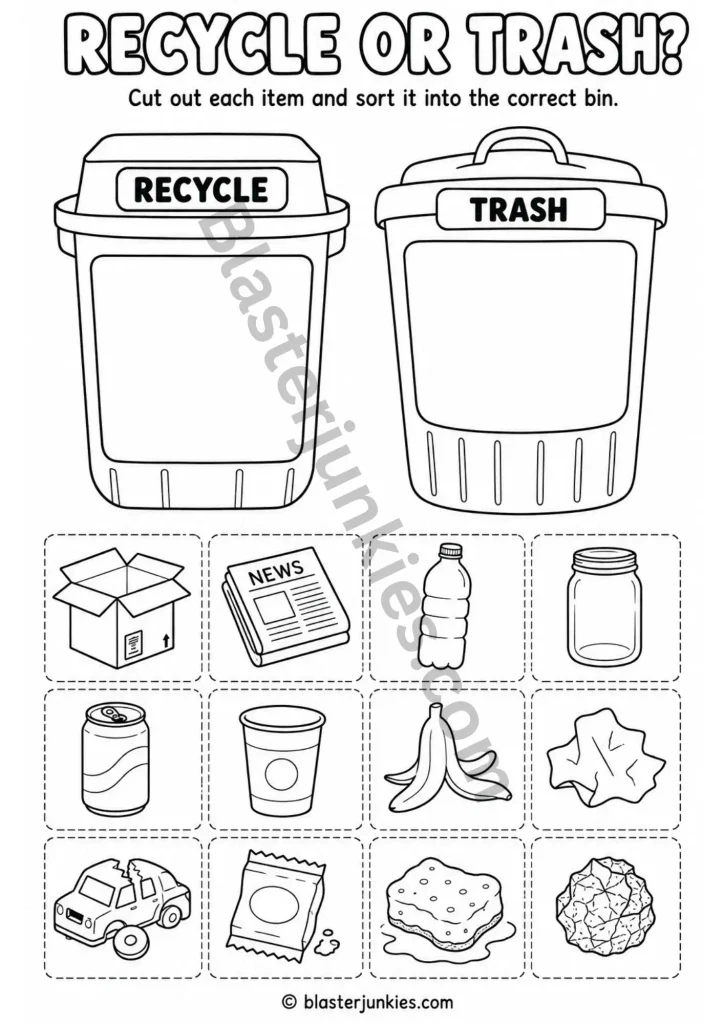
Sorting also expands their vocabulary in a natural way. They learn category names like “living,” “non living,” “recycle,” and “trash.”
Building Classification Habits at Home
Sorting is a highly practical skill for home organization. You can easily connect paper sorting to real world tasks.
Pair these sorting games with the Declutter Challenge Printable to organize their bedrooms. Letting kids sort their own toys builds personal responsibility.
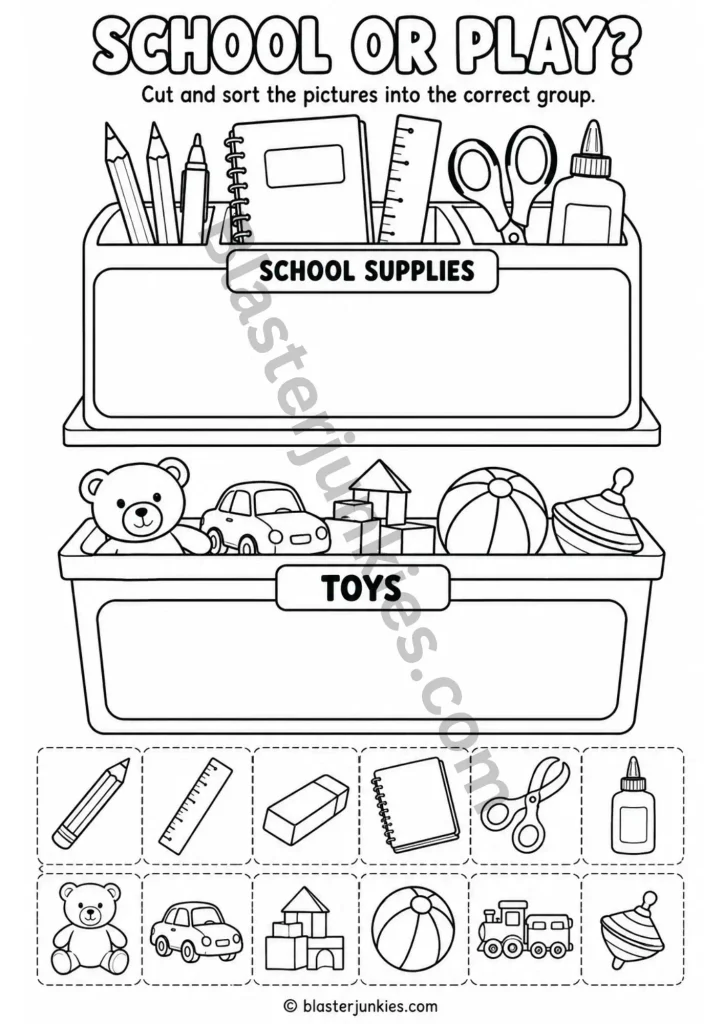
Managing household chores is much easier with help. Use our Deep Cleaning Hacks For Busy Moms to establish simple household routines. Sorting toys from school supplies helps kids stay organized.
Integrate these tidy habits into your daily schedule. Add clean up tasks to your Morning Routine Chart for Kids. This teaches children basic time management and self care.
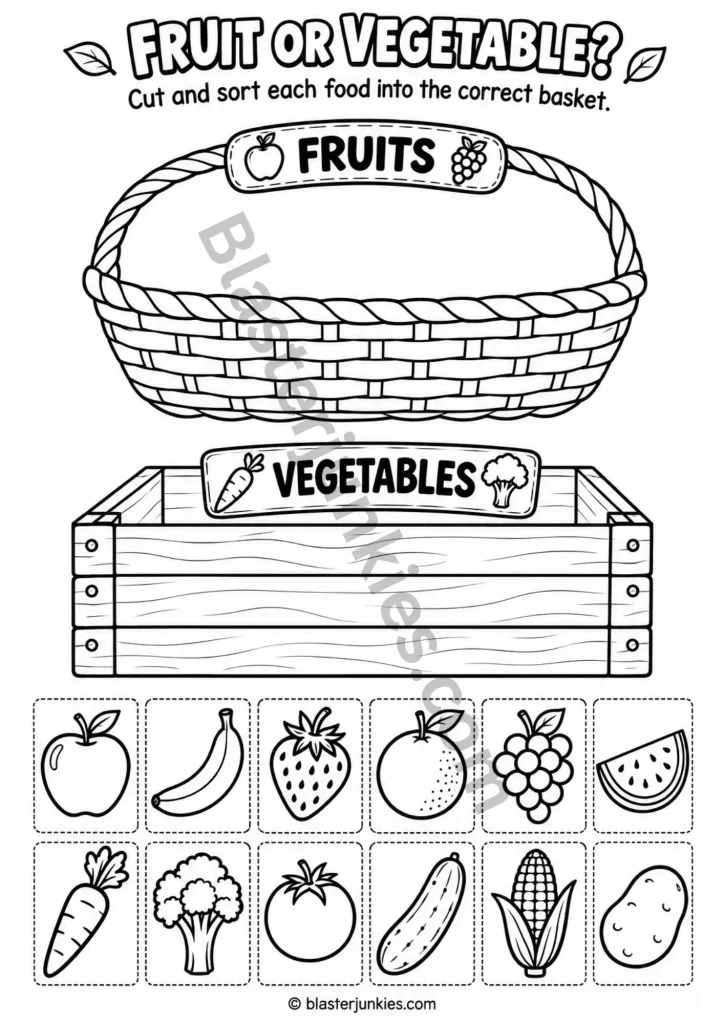
Categorizing food is also a great health lesson. Sorting fruits, vegetables, and healthy treats builds nutrition awareness.
Support a positive lifestyle with our Healthy Habit Challenge to build consistent choices.
You can also introduce body care concepts. Use our creative mosaic tooth craft to discuss daily dental hygiene.
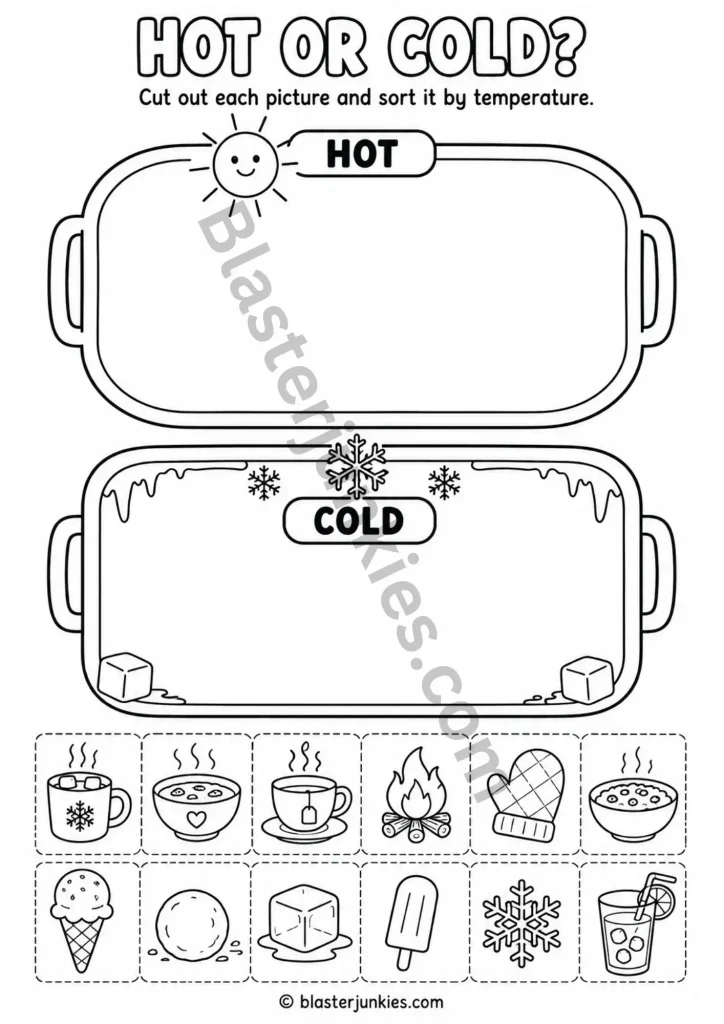
Environmental sorting connects directly to earth science. Kids can learn about temperature, sunlight, and weather patterns.
Log daily changes with a weather observation worksheet. You can also use our Weather Worksheets for Kindergarten. This makes abstract science concepts tangible and relatable.
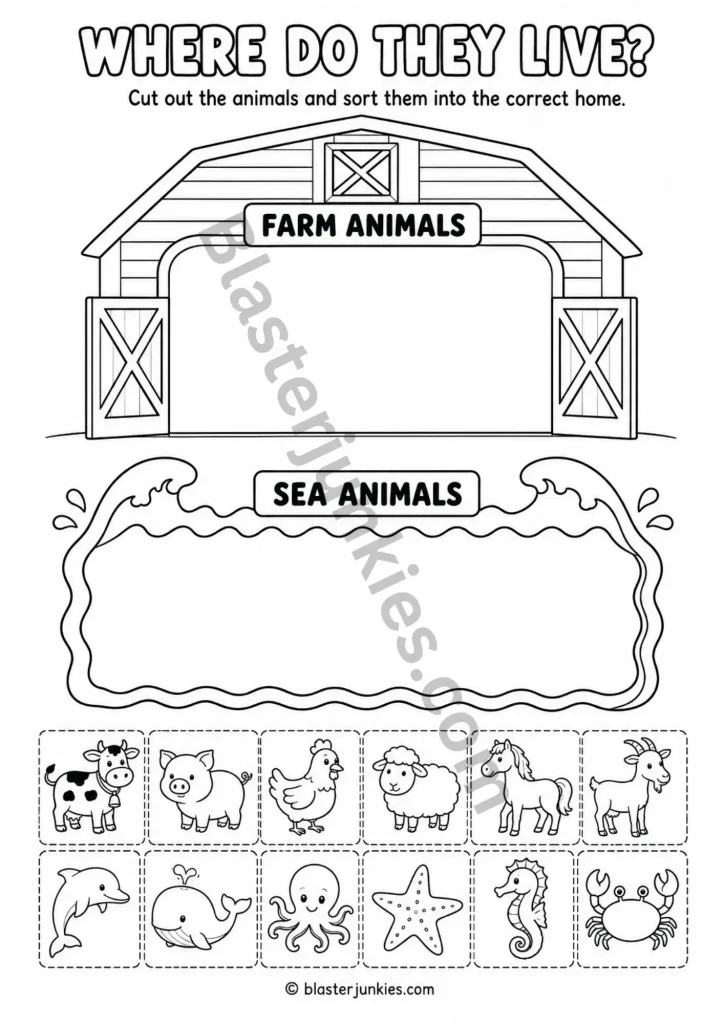
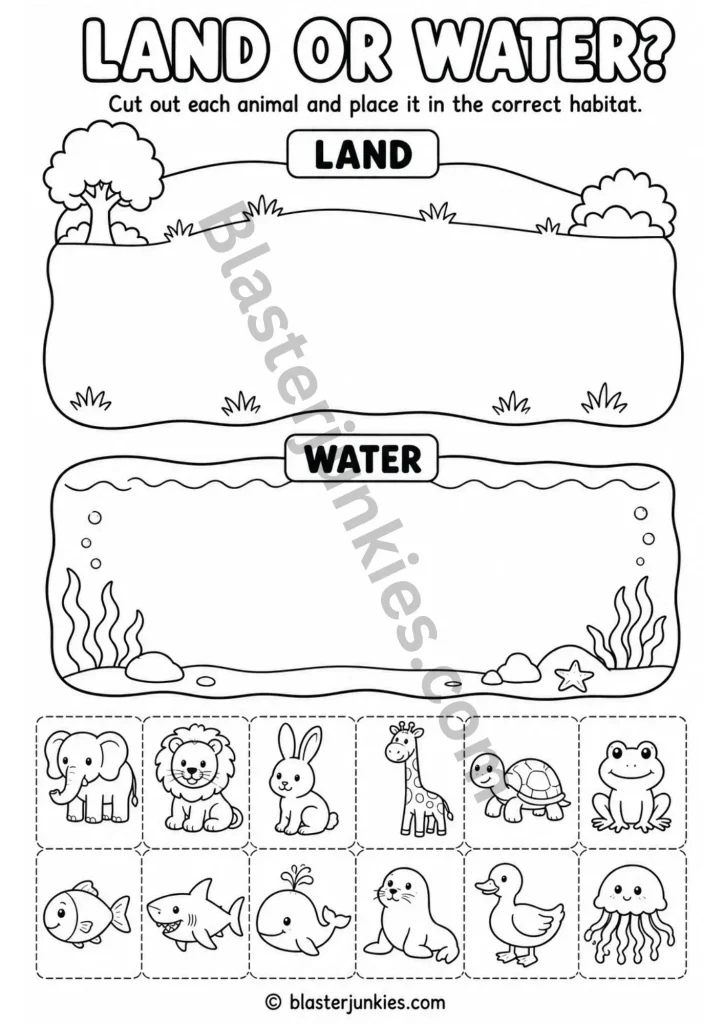
For studying diverse habitats, explore our sea life pages. Pair land and water sorting with our Fun Ocean Animal Worksheets.
To prompt deep family discussions about nature, use conversation prompts. Try using Family Conversation Cards during dinner to talk about recycling.
Key Features of the Tops and Bottoms Sorting Pack
This printable pack uses diverse, kid-friendly layouts to teach. It does not rely on heavy reading blocks. The worksheets cover several core developmental sorting categories:
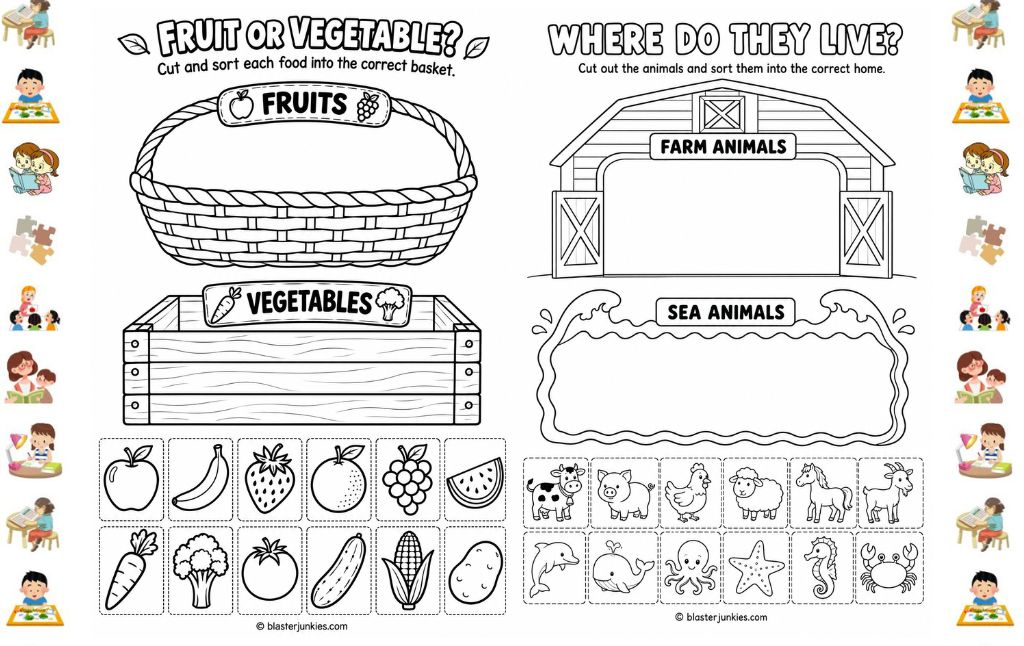
Nutritional Sorting: Distinguishing healthy fruits from vegetables in colorful baskets.
Habitat Classification: Placing animals in correct homes, like barns or sea waves.
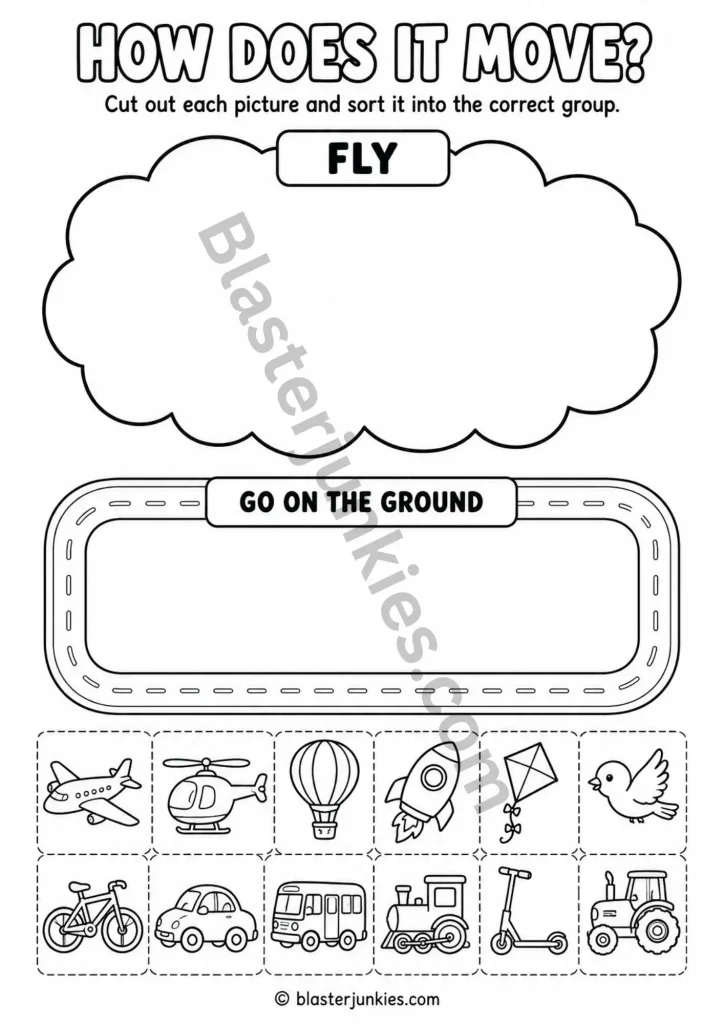
Transportation Dynamics: Sorting flying vehicles from those that go on the ground.
Environmental Responsibility: Classifying daily items into recycling bins or trash cans.
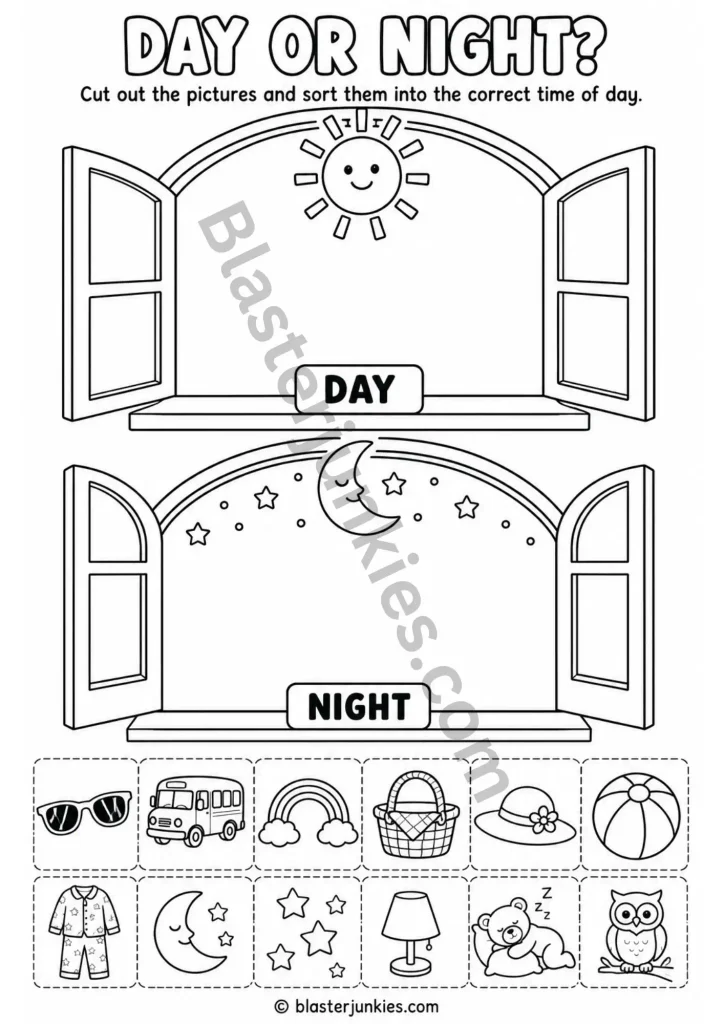
Time of Day: Placing activities into sunny daytime or starry nighttime windows.
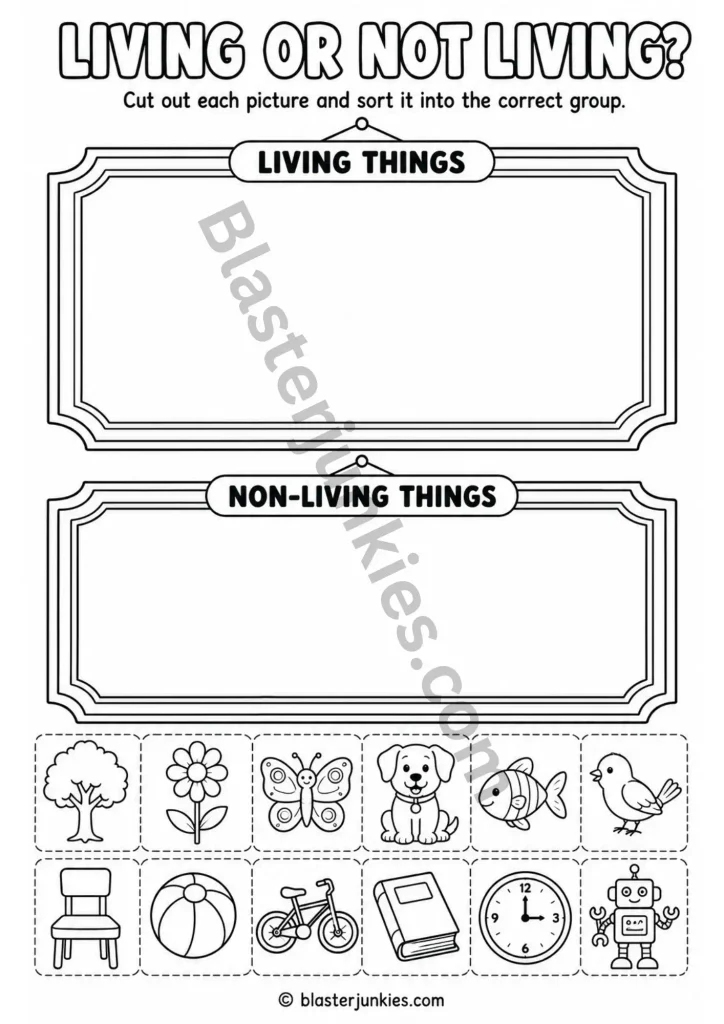
Living vs. Non Living: Differentiating biological organisms from inanimate objects.
These sorting activities develop strong bilateral coordination. One hand stabilizes the page. The other hand writes, colors, or cuts.
This dual hand coordination is essential for physical growth.
Color Exploration and Sensory Materials
Coloring is also a valuable developmental activity. It encourages children to make creative choices. They can choose custom colors for their sorting pages.
Should they use warm reds for the apples? Should they use bright oranges for the carrots?
Discussing these options builds their descriptive vocabulary.They learn to identify different color palettes. You can also use different textures for the pieces.
Try pasting real cotton balls on the clouds.Use real leaves for the farm animals’ grass. This connects art with sensory sequencing skills. It keeps early learning structured and well rounded.
How to Use These Worksheets
Using these worksheets is straightforward and fun. Here is a practical guide to get started.
First, choose a worksheet that matches your child’s interest. Animal themes are highly suitable for younger toddlers. Ecology themes fit well with kindergarteners learning about recycling.
Let your child color the cut out icons first. They can use crayons, markers, or colored pencils. Encourage them to stay inside the lines.
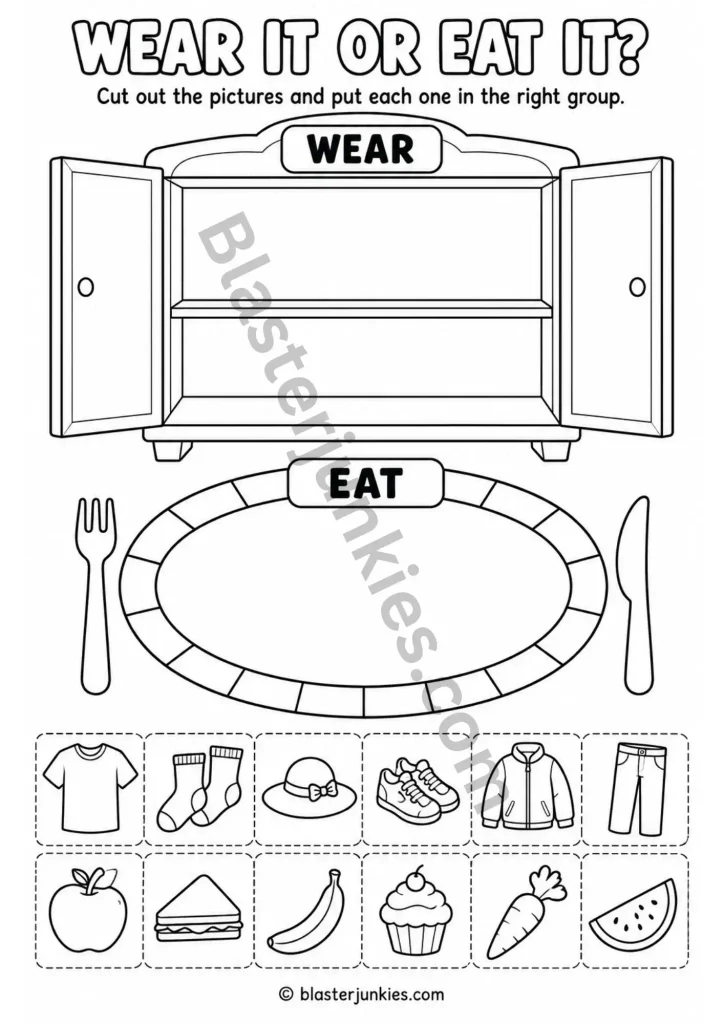
Once colored, it is time to cut. Use high quality safety scissors. Ensure they fit your child’s hand comfortably.
Always supervise young children during cutting tasks. This ensures a safe and productive crafting experience.
Finally, sort and assemble the craft. Let them place the items in the correct boxes before gluing. This allows them to self correct any mistakes.
Use a simple glue stick to paste the pieces. Thick cardstock stands up best to wet school glue.
Supporting Cognitive and Fine Motor Growth
Crafting builds crucial cognitive skills. It encourages children to plan their steps. They must color before they cut.
They must sort before they glue. This logical sequence teaches them patience. It also helps build a longer attention span. They learn to work quietly and finish tasks.
Completing a project gives children a sense of success. They feel proud to show you their sorted pages.
This simple pride boosts their self esteem. It motivates them to tackle more complex learning tasks.
You can also use these crafts to teach language. Ask your child to explain their sorting choices. “Why does the dolphin live in the water?”
This simple prompt turns art into a verbal reasoning lesson. Speaking clearly is vital for early literacy success.
Fun Classroom and Home Display Ideas
Do not let the learning stop on paper. Display their completed crafts around your home or classroom.
Create a “How We Sort” bulletin board. Hang their custom bins, barns, and baskets together. You can add green background paper for a farm look.
This collaborative art project keeps spirits high. It helps children feel like part of a community.
They love finding their own sorted pages on the wall. This reinforces their classification skills in a fun way.
At home, tape their sorting sheets to the refrigerator. This marks their learning progress with pride.
Customizing for Different Age Groups
These printable pages are highly adaptable. They suit children of varying developmental levels.
For toddlers (ages 2–3), focus on simple recognition. Do the cutting work for them beforehand. Let them place the items in the correct groups with help.
For preschoolers (ages 3–4), focus on sorting and gluing. They can practice using safety scissors with your guidance. Let them make their own sorting choices.
For kindergarteners (ages 5–6), encourage independent work. Let them complete the pages entirely alone. They can write why they made each choice on the back. This flexibility makes the pack great for families. Siblings of different ages can sort together.
Conclusion
Learning to classify is a wonderful journey. These printable sorting activities combine seasonal fun with education.
They help children practice essential childhood skills. Fine motor, math, and literacy are all supported.
You can easily download the complete pack today. It is ready to print and use immediately.
Enjoy watching your child discover categorization through play. Have fun exploring the world of sorting together today!