Teaching a child to plan their week is one of the highest return investments a parent can make.
Not because it turns children into productivity machines, but because it hands them something far more valuable:
the ability to look ahead, make intentional choices, and feel in control of their own time rather than just swept along by it.
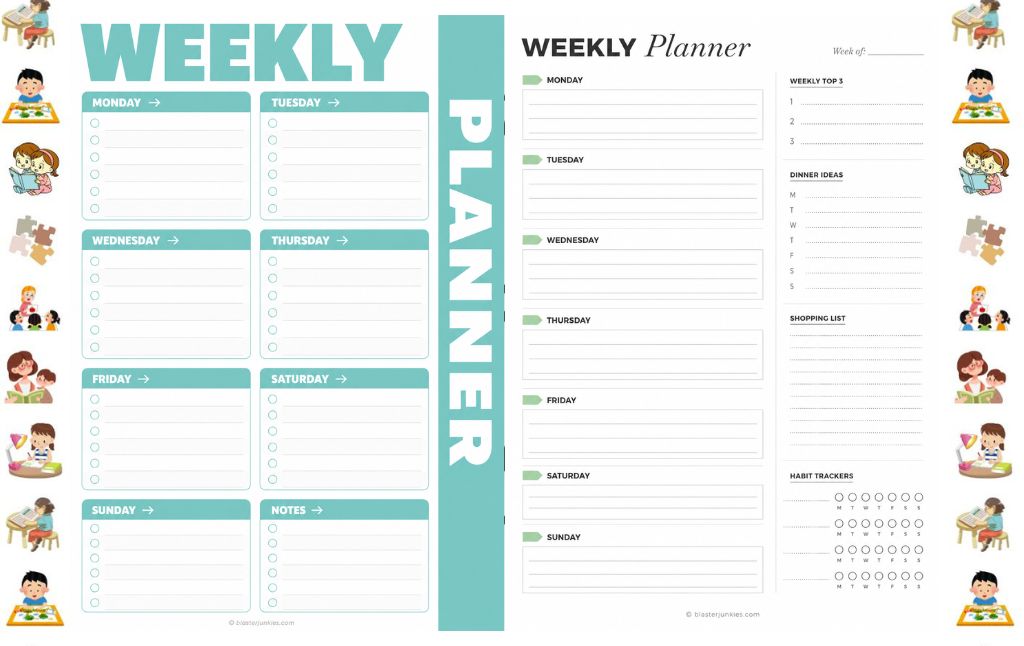
A weekly planner printable is where that skill begins and the right design makes all the difference in whether a child actually uses it.
Why the Design You Choose Matters as Much as the Habit
One of the most underappreciated aspects of giving a child a planner is that visual personality match determines whether the habit sticks.
A ten year old who gravitates toward bright colours and fun fonts will abandon a formal minimal planner within days, not because they lack discipline, but because the tool doesn’t feel like theirs.
A teenager who prefers clean, minimal aesthetics won’t engage with something covered in cartoon icons.
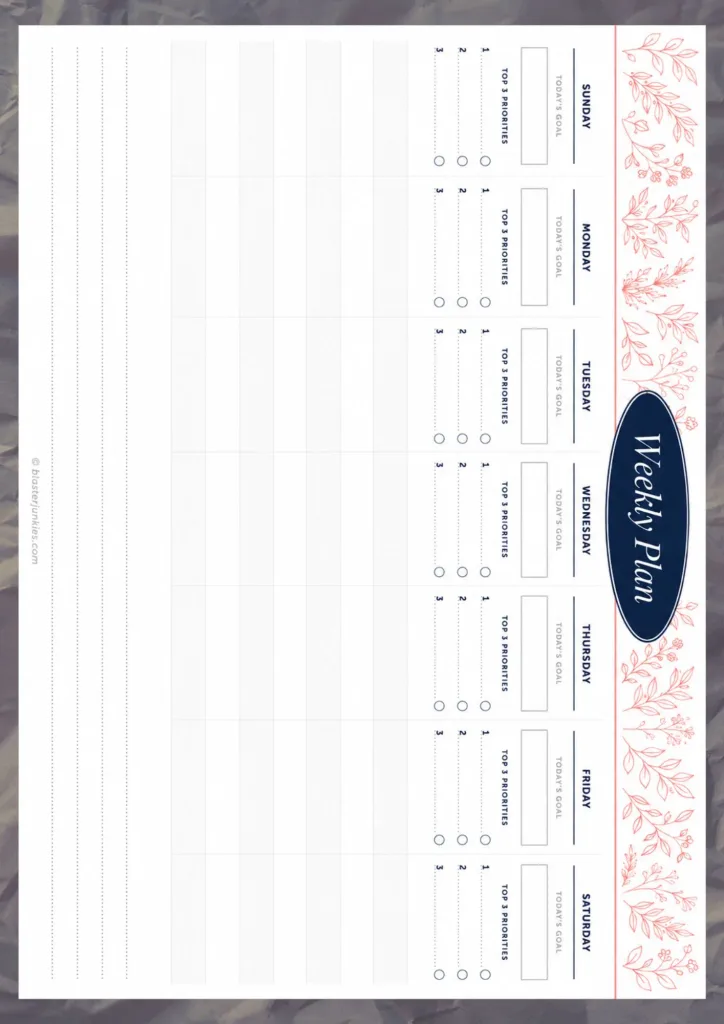
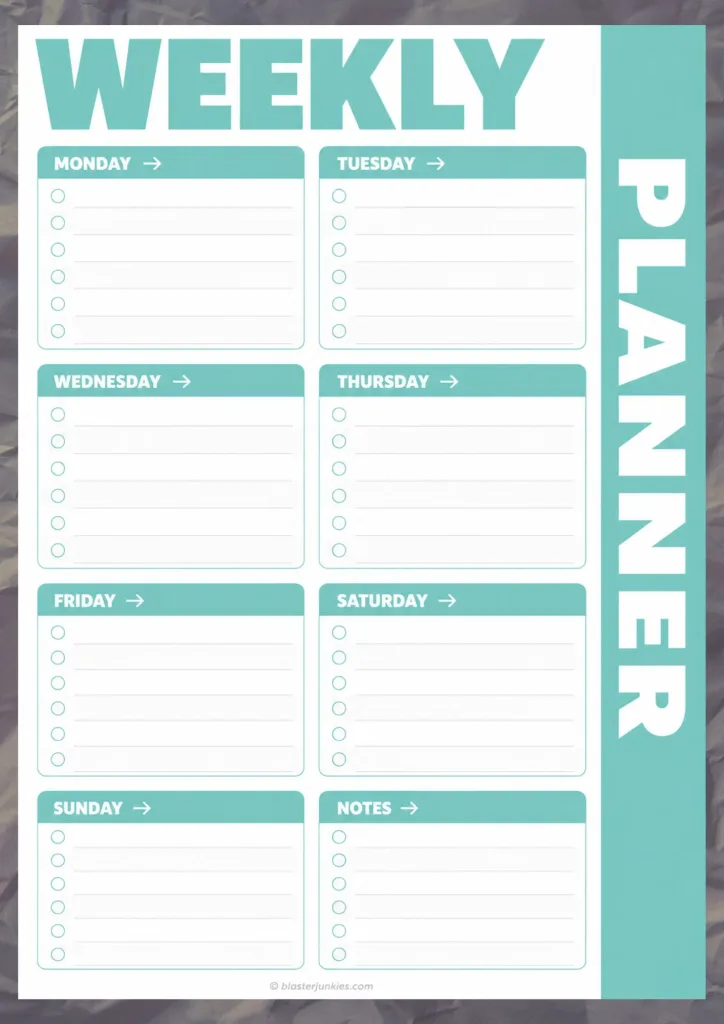
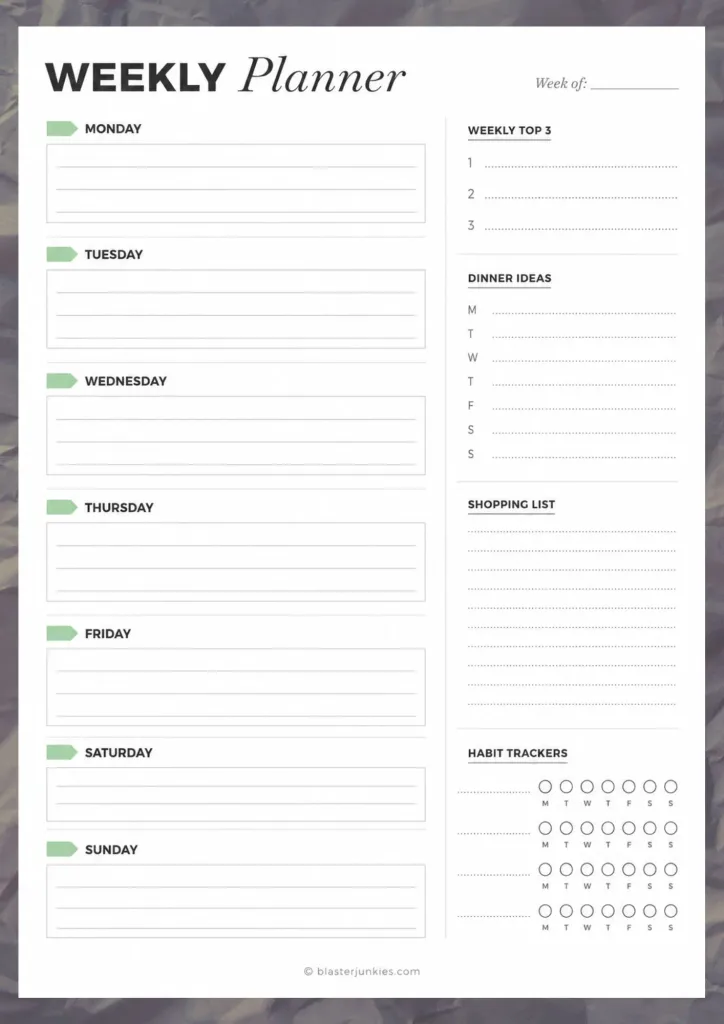
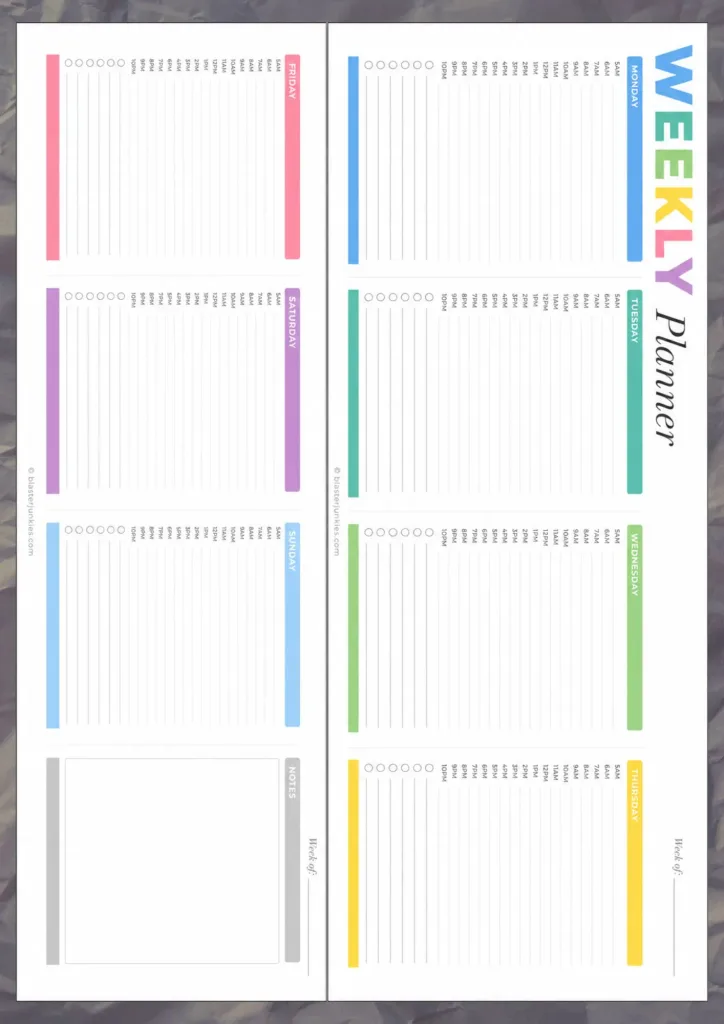
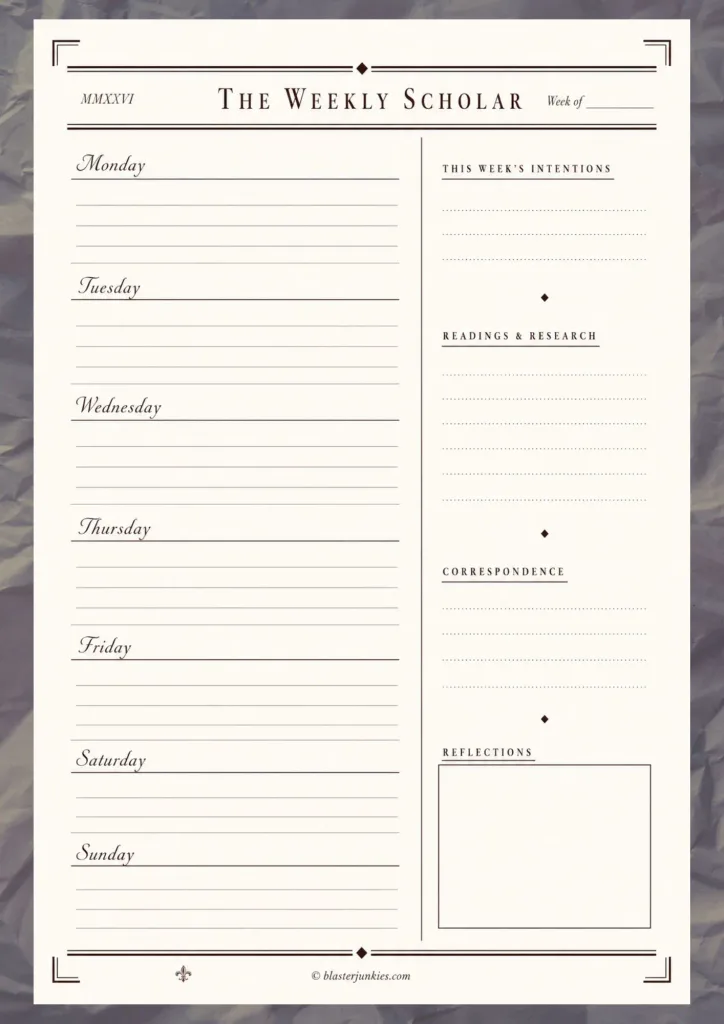
When a pack offers multiple visual styles from bold teal task lists and rainbow colour coded columns to editorial typography and formal academic layouts the first and most important step is letting the child choose their own design.
That single act of ownership dramatically increases follow through.
Starting the Planning Habit: Sunday Evenings
The most effective time to introduce a weekly planner to a child is Sunday evening, ideally as a five to ten minute ritual before the school week begins.
Sit together and go through the upcoming week: any tests, activities, or events that are already fixed, then the tasks, schoolwork, or goals the child wants to work toward.
This preview conversation does something important it shifts the week from something that happens to a child into something they have a hand in shaping.
For younger children aged seven to eleven, keep the session short and focus on just two or three things:
What are the biggest things happening this week, what’s one thing you want to get done, and is there anything you’re worried about fitting in?
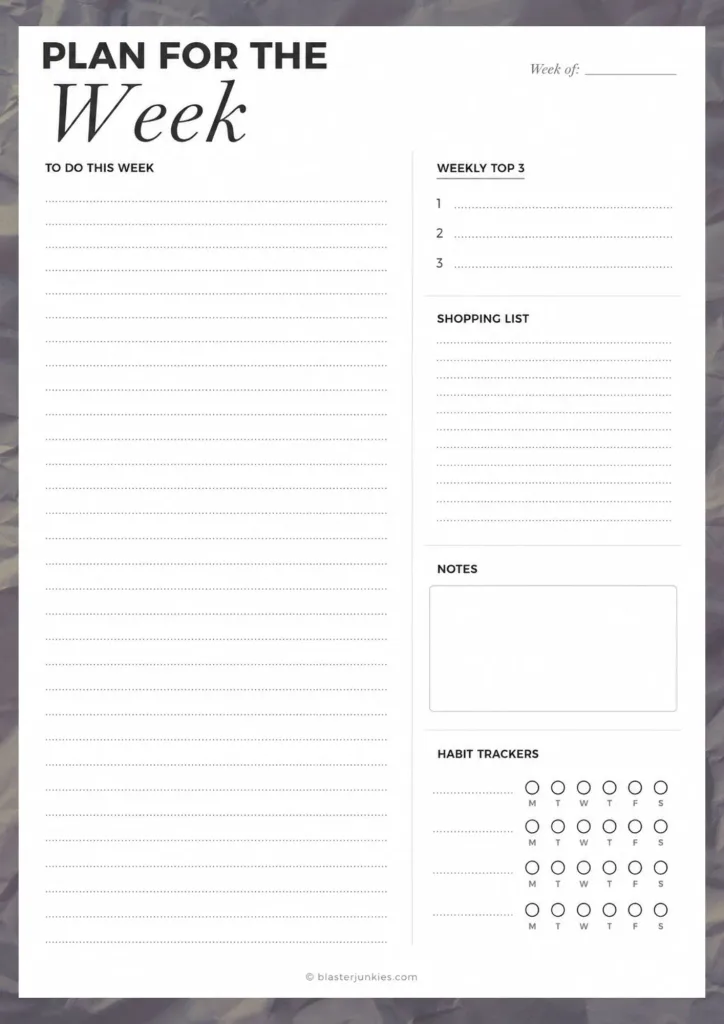
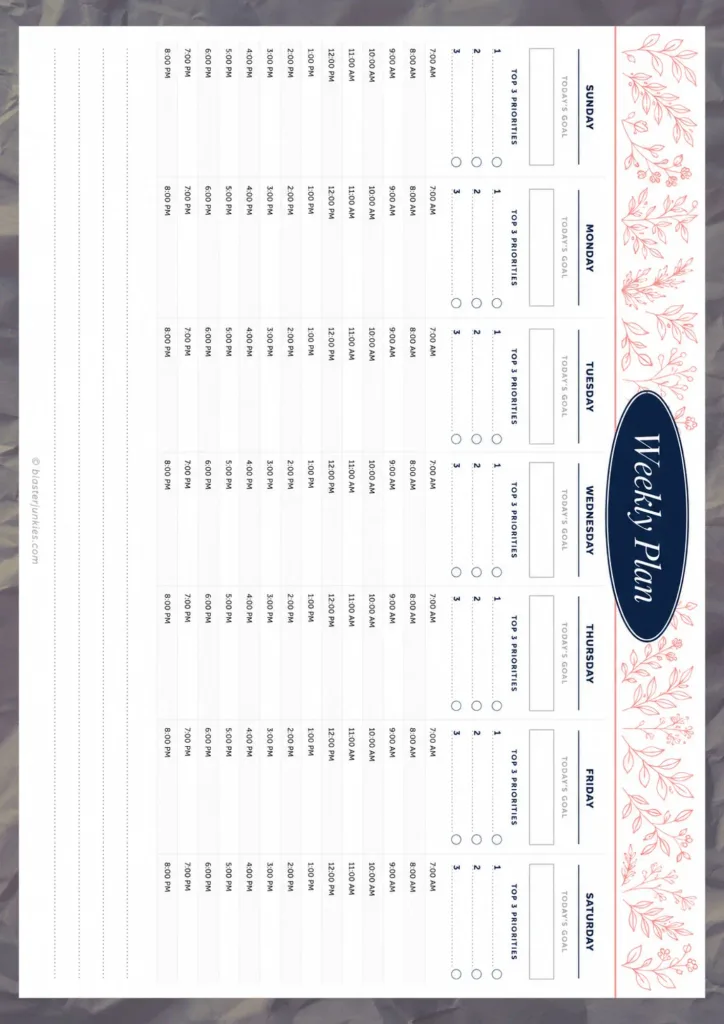
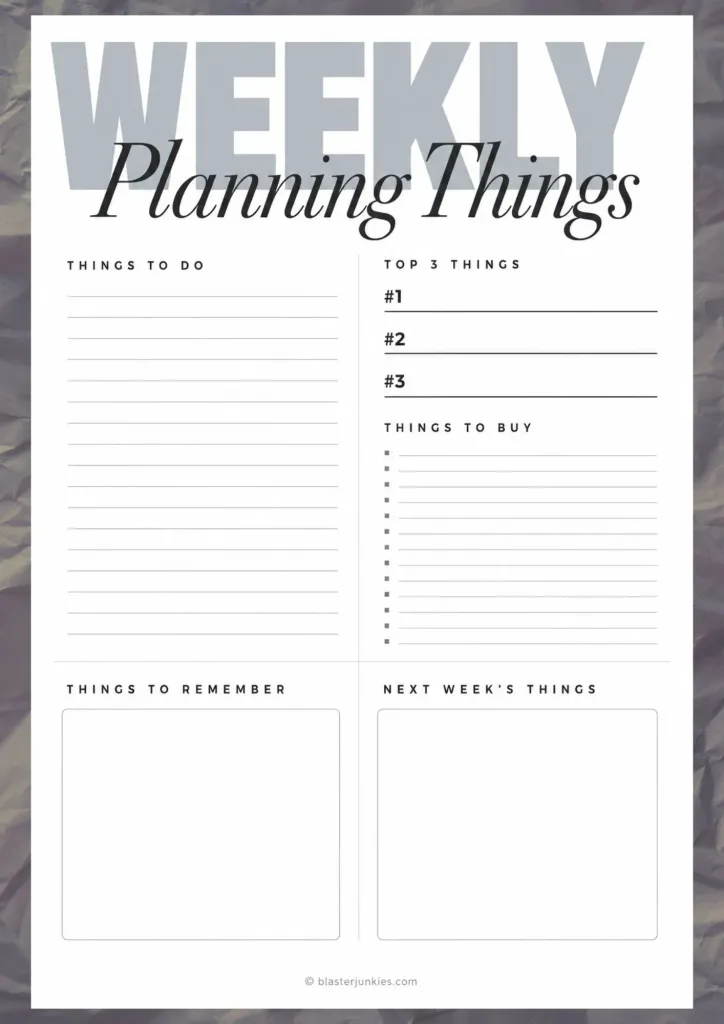
The priority sections found across most well designed weekly planners “Top 3 Priorities” or “Top 3 Things” are perfect for this age because they limit the planning to what’s actually manageable rather than creating an overwhelming list.
Budget Binder Printables: A Practical System for Taking Control of Your Money
Why Every Child Needs a Printed Emergency Contact Form (And How to Use One)
How to Use the Time Blocked Versions With Kids
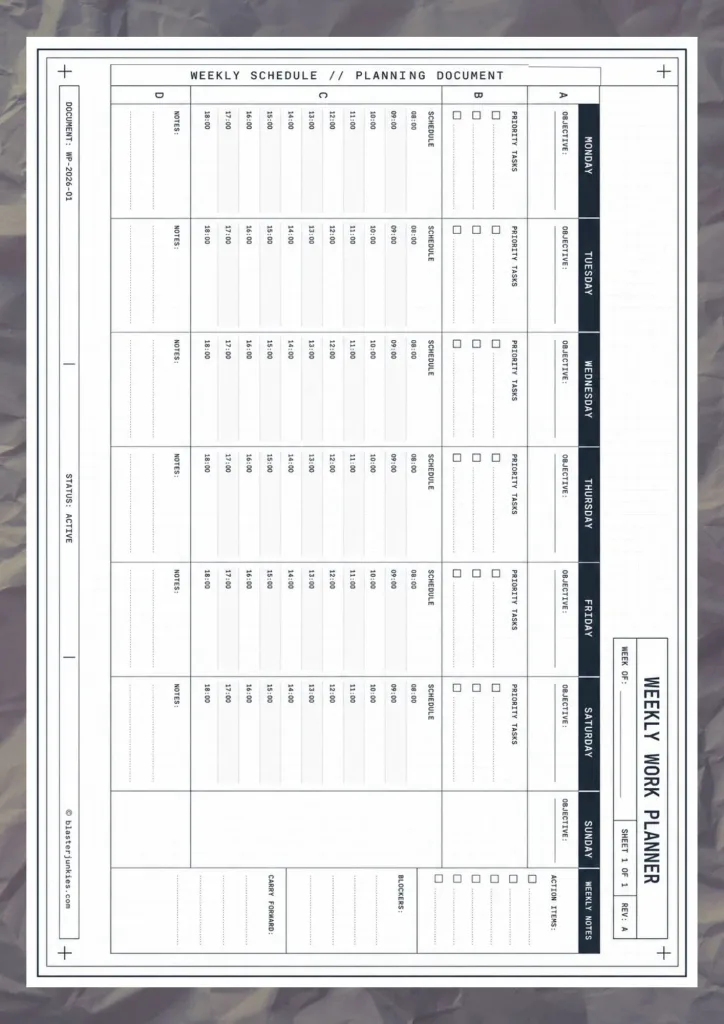
Hourly or time slotted planners are especially powerful for children who struggle with transitions or time awareness common at primary school age and in children who tend to underestimate how long things take.
Sit with your child and block out the anchors first: school hours, meals, any fixed activities.
Then look at what’s left. Seeing that a weekday afternoon from 3:30 to 5:00 PM is genuinely finite space not an infinite stretch of “after school” helps children make more realistic decisions about homework, screen time, and play.
It replaces the vague feeling that “there’s loads of time” with a concrete picture that children can actually work from.
For the rainbow colour coded hourly planner, let each child in a family pick their own colour if you have multiple children using the same sheet.
Colour coding isn’t just aesthetic; it helps younger children find their day at a glance without needing to read the day name each time.
The Wellness and Mood Tracker: More Powerful Than It Looks
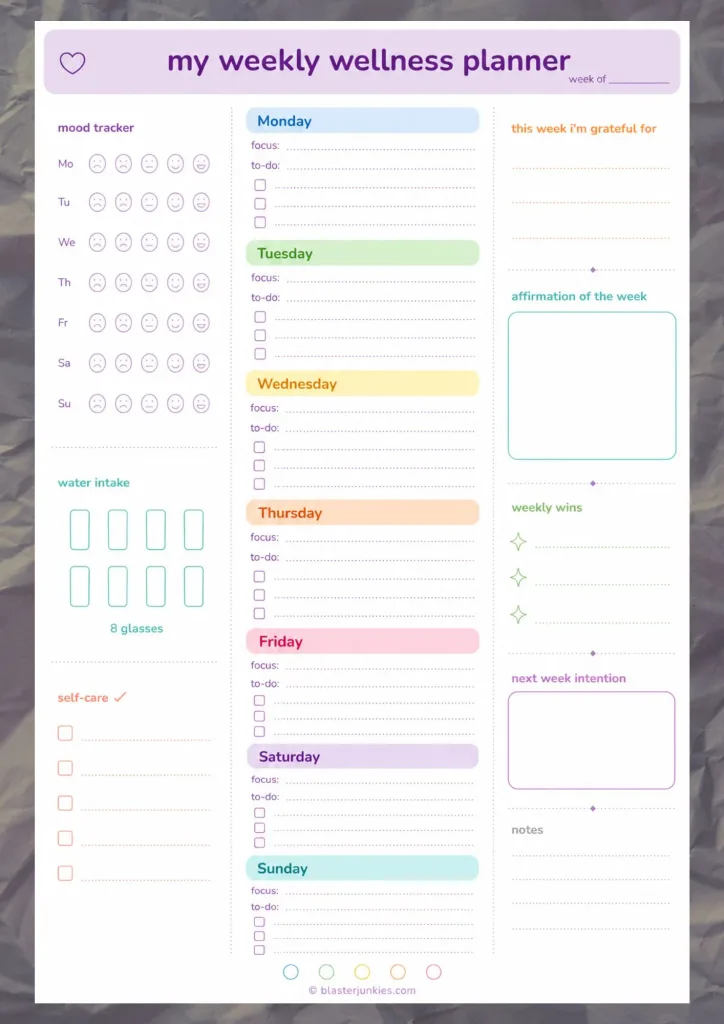
The weekly wellness planner is the most sophisticated page in the pack, and it’s particularly valuable for children from about age nine upward who are beginning to develop emotional self awareness.
The mood tracker five emoji faces per day, from very unhappy to very happy asks a child to notice and name how they felt each day.
This sounds simple, but regular practice builds emotional vocabulary and the habit of self reflection that underpins wellbeing throughout life.
Use the mood tracker as a conversation starter at the end of each day rather than a silent solo activity.
“What face would you give today?” is a far easier entry point into emotional check in conversations than “how was your day?” which almost always produces “fine.”
The water intake tracker and self care checklist teach children that physical and mental health are weekly planning priorities, not afterthoughts.
The “Next Week” Box: Teaching Forward Thinking
Several planners in this pack include a space specifically for next week’s intentions or tasks.
This is worth pointing out to children explicitly, because the habit of capturing something for next week before the current week ends is one of the most powerful organisational skills an adult can have and it’s easier to build in childhood than to retrofit later.
When your child finishes something on Friday and thinks “oh, I still need to do that,” teach them to write it in the next week box immediately rather than trusting themselves to remember.
Used consistently, a weekly planner doesn’t just help children manage their time. It teaches them that their time is worth managing and that’s the lesson that lasts.
[ >> DOWNLOAD FULL KIT FOR WEEKLY PLANNER PRINTABLES << ]
How to Use a Summer Bucket List Printable With Kids
How to Use Kindergarten Readiness Worksheets With Kids
How to Use Homeschool Planner Printables With Kids
Printable Kids Daily Routine Chart: A Blank Canvas for Building Real Habits
Chores for Tweens and Middle Schoolers: A Printable System That Actually Builds Independence
Chore Ideas for Preschoolers (4-6 Years): A Parent’s Guide to This Printable Chart Pack
Chore Chart Printable for Toddlers (2–3 Years)
10 Free Printable Lunch Box Notes: The Sweetest Way to Connect with Your Kids Every Day