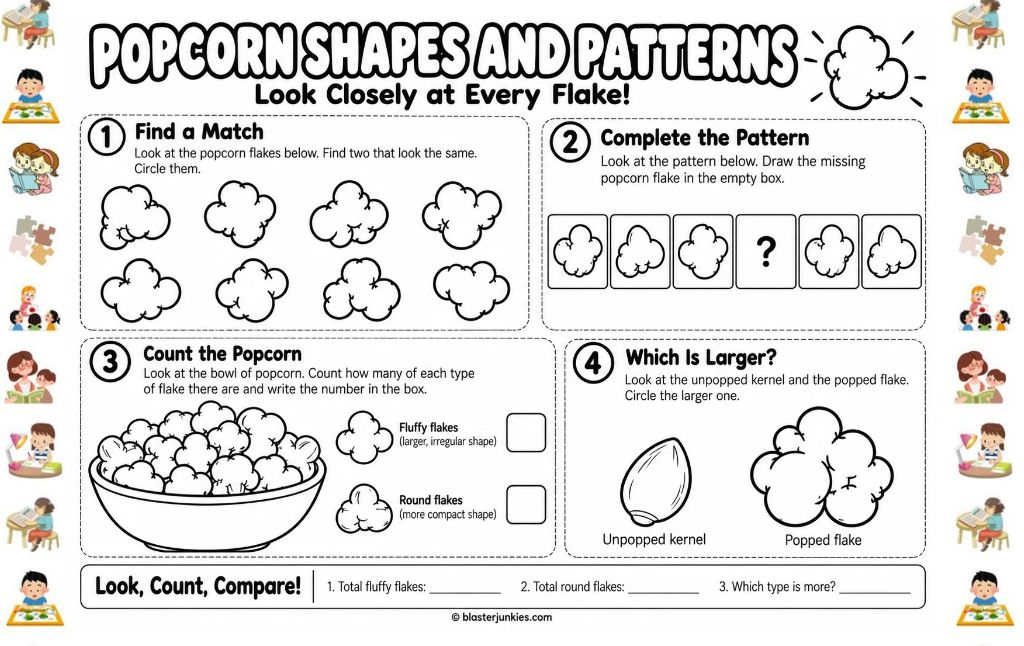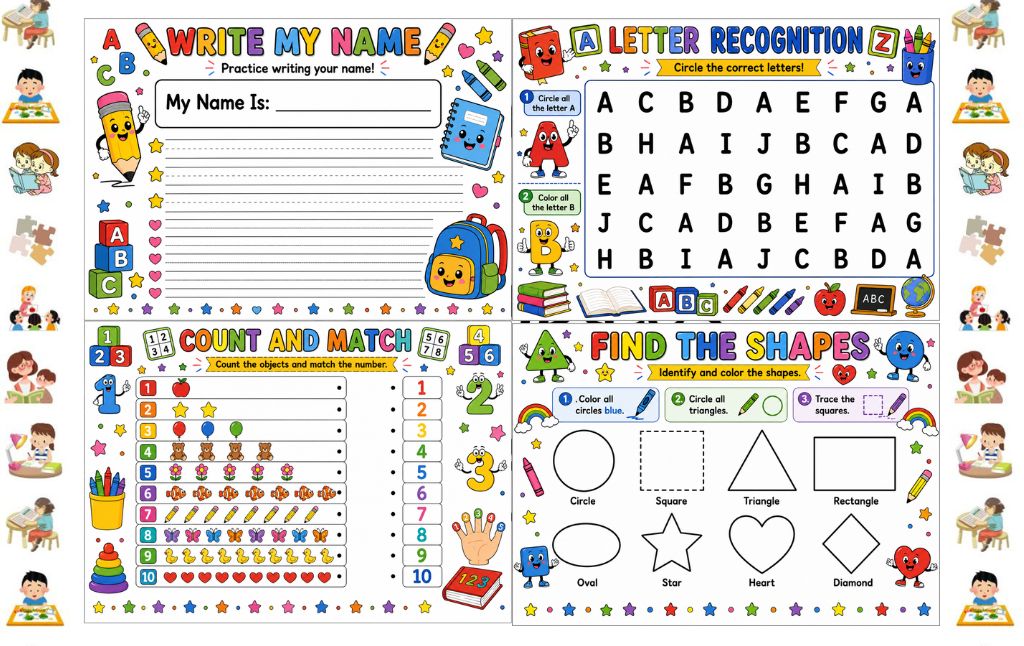
Kindergarten readiness isn’t really about academics, even though most readiness packets are full of letters, numbers, and shapes.
It’s about whether a child can sit, focus, hold a pencil, follow a two step direction, and recover from frustration without melting down.
A good worksheet set covers the academic pieces well, but the way you use it with your child matters far more than the worksheets themselves. Here’s a practical approach.
Start With the Checklist, Not the Worksheets
Before handing your child a single page, sit down on your own with a kindergarten readiness checklist and honestly assess where things stand.
Mark each skill as solid, emerging, or needs practice, covering not just letters and numbers but the self help and social skills too, like using scissors safely, sharing, following directions, and managing the bathroom independently.
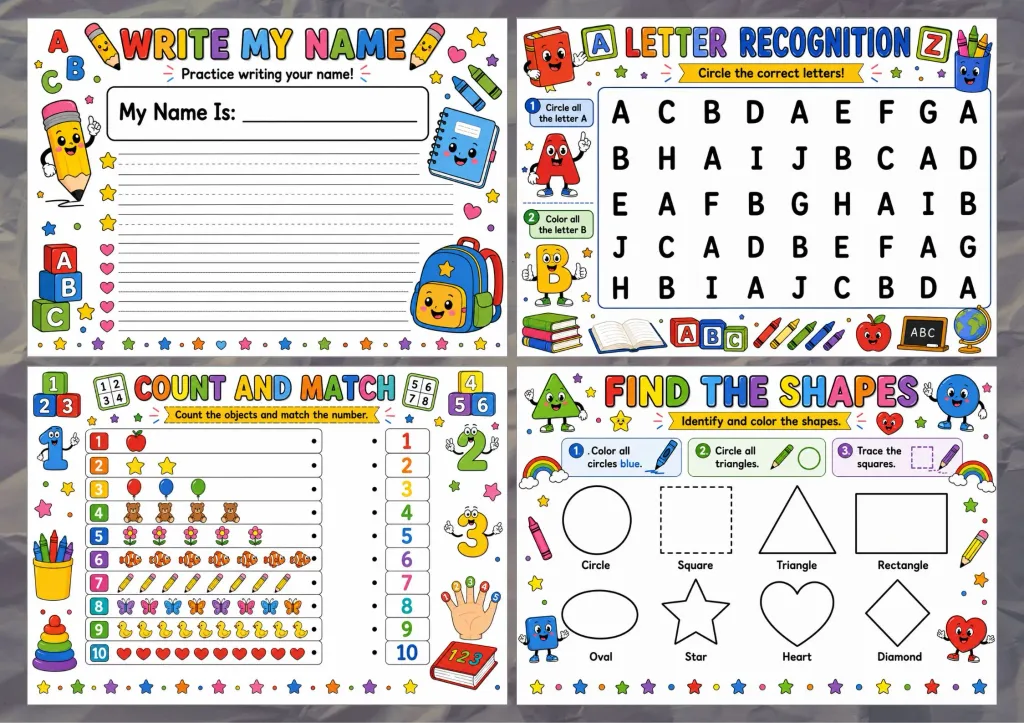
This step turns a stack of generic worksheets into a targeted plan.
If your child already recognizes all their letters but struggles to hold a pencil, you know to spend more time on tracing pages and less on letter matching games.
Revisit the checklist every few weeks rather than once; readiness develops unevenly and in bursts, so a skill marked “needs practice” in March might be solid by May.
How to Use Homeschool Planner Printables With Kids
Printable Kids Daily Routine Chart: A Blank Canvas for Building Real Habits
Build Fine Motor Skills Before Demanding Letter Formation
Many parents jump straight to handwriting practice, but pencil control develops through broader movement first.
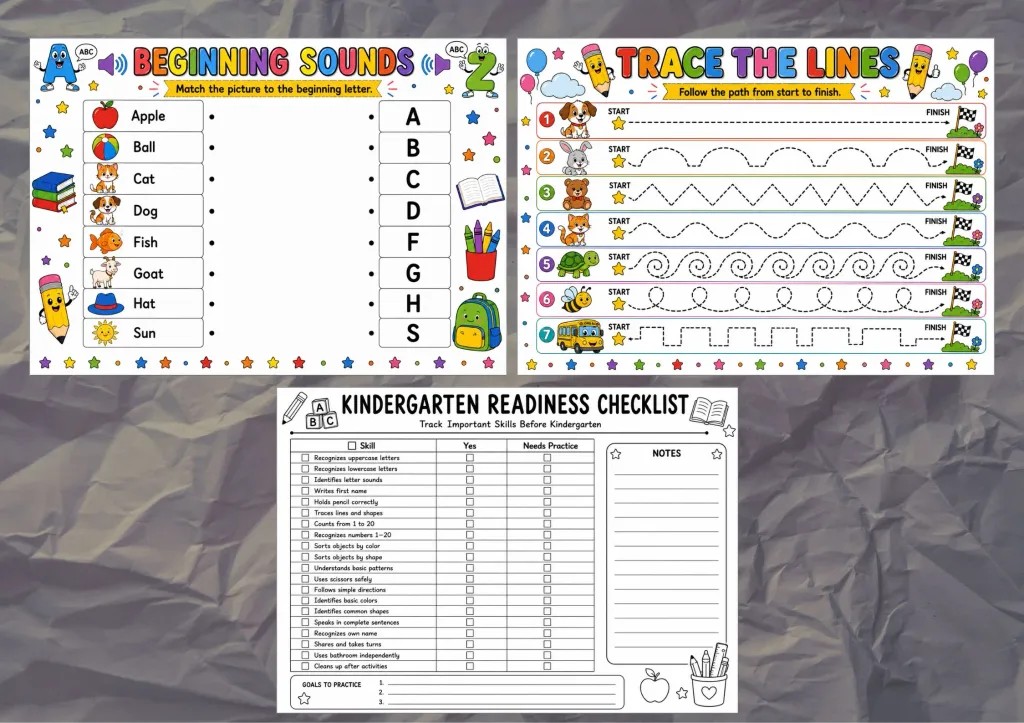
Use trace the line activities (zigzags, spirals, loops, straight paths) as a warm up before any name writing practice, the same way an athlete stretches before a sprint.
Have your child trace with a finger first, then a crayon, then a pencil, slowing down only as their motor control improves.
If a four or five year old is gripping a pencil like a fist, don’t push for tiny precise letters yet; bigger, looser tracing activities build the same muscles without the frustration of failing at something too fine for their current skill level.
Make Letters and Sounds Multisensory
Letter recognition and beginning sounds worksheets work best when they’re not silent, solitary tasks.
As your child circles or colors a target letter, say its name and sound out loud together.
For beginning sounds matching, turn it into a guessing game: cover the picture, say the word slowly stretching out the first sound, and have your child guess before revealing the image.
This turns a worksheet into a conversation, which holds a young child’s attention far longer than independent paper and pencil work usually does at this age.
Keep Math Concrete
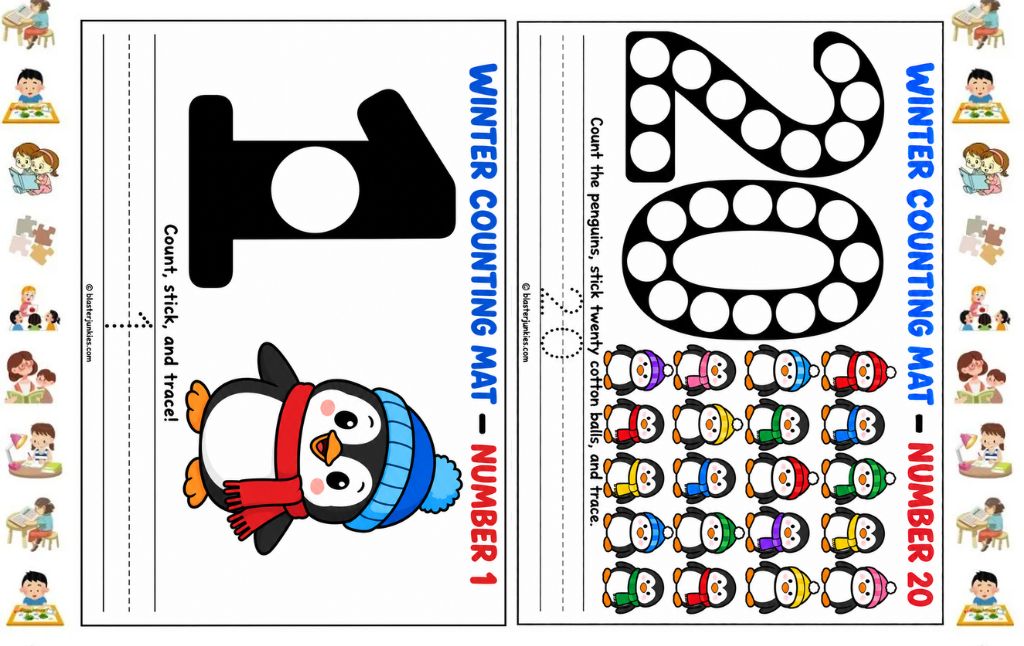
Counting and matching pages are most effective when paired with real objects.
Before or after the worksheet, count out the same quantity using blocks, snacks, or fingers, so the abstract number on the page connects to something tangible.
Shape identification pages work the same way: after coloring the shapes on paper, send your child on a “shape hunt” around the house to find a real circle, square, or triangle.
This concrete to abstract bridge is one of the most reliable ways to make early math stick.
Keep Sessions Short and End on a Win
A four or five year old’s attention span for table-top work is short, often ten to fifteen minutes at most.
Pick one or two pages per sitting rather than working through the packet cover to cover. Watch for early signs of frustration and stop before a meltdown, even if a page isn’t finished; you can always return to it later.
Try to end each session on something your child can complete successfully, even if that means finishing with an easier page than the one you started with.
A child who associates these worksheets with small, frequent wins will come back to the table willingly tomorrow.
Treat the Checklist as a Conversation Starter, Not a Report Card
Resist the urge to use the checklist as a measure of how “behind” or “ahead” your child is.
Readiness skills develop on wildly different timelines from child to child, and a few months of normal development can close most early gaps.
Use the checklist privately, to guide what you practice next, and keep the worksheets themselves light, playful, and pressure free.
The real goal isn’t a perfectly checked box, it’s a child who walks into kindergarten curious and confident rather than anxious about getting things right.
[ >> DOWNLOAD THE KINDERGARTEN READINESS WORKSHEETS WITH KIDS<< ]
Chores for Tweens and Middle Schoolers: A Printable System That Actually Builds Independence
Chore Ideas for Preschoolers (4-6 Years): A Parent’s Guide to This Printable Chart Pack
Chore Chart Printable for Toddlers (2–3 Years)
10 Free Printable Lunch Box Notes: The Sweetest Way to Connect with Your Kids Every Day
Stay Organized with These Family Command Center Printables
Free Classroom Labels with Pictures for Easy Organization
Stay Organized with This Free Meal Planner Printable